
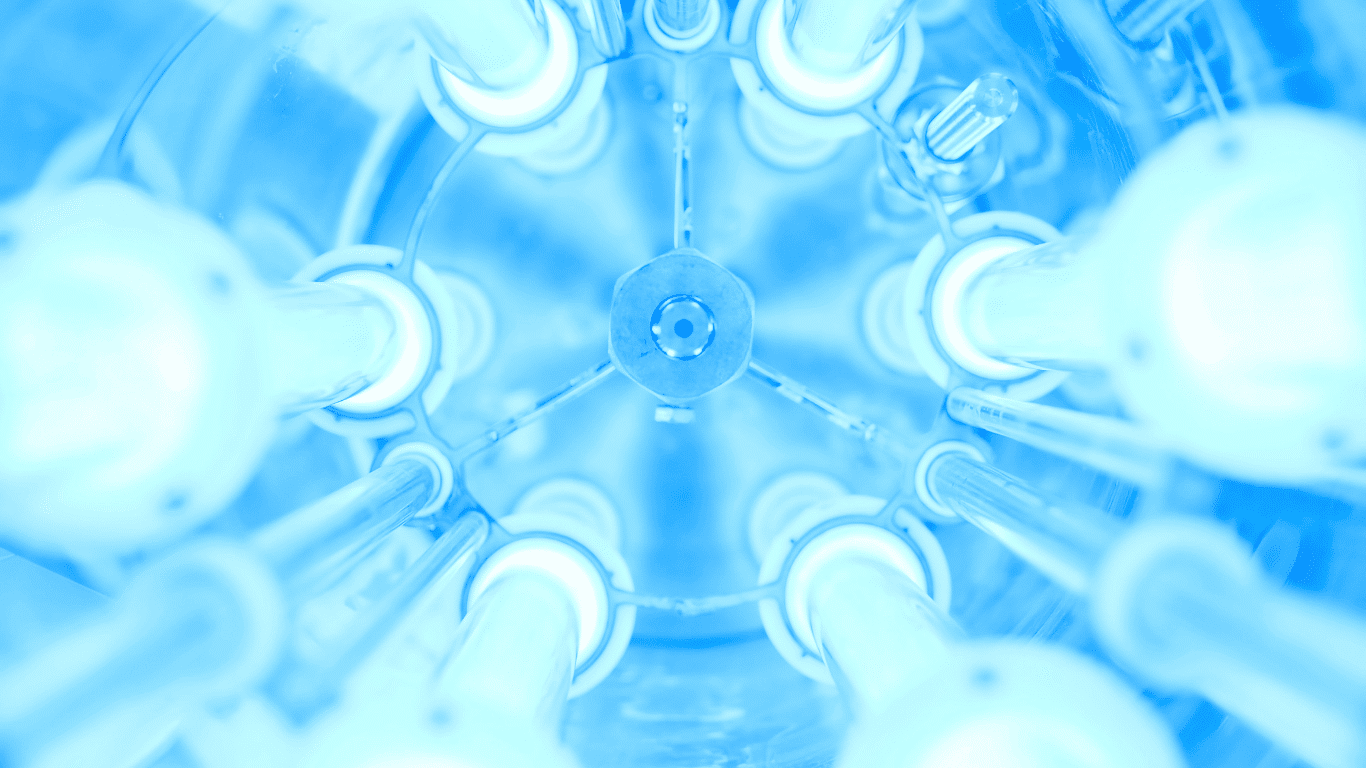
Clean water is essential for protecting equipment, supporting daily operations, and maintaining public health. A water uv disinfection system offers a fast, chemical-free way to reduce harmful microorganisms in water, making it a valuable part of many industrial and commercial water treatment processes. Unlike some treatment methods, UV technology disinfects water without changing its taste, odor, or chemistry.
Many facilities rely on UV water treatment because it delivers consistent disinfection while fitting easily alongside other treatment technologies. When applied correctly, UV water helps control microorganisms and supports safer, more reliable water quality. Understanding how these systems work and where they perform best helps operators make informed decisions that improve long-term treatment results.
What Is a Water UV Disinfection System?
A UV disinfection system uses ultraviolet light, specifically UV-C light at approximately 254 nanometers, to deactivate bacteria, viruses, and other microorganisms that may be present in water. As water passes through the treatment chamber, a UV lamp emits energy that damages the genetic material of these organisms. Once exposed, they can no longer reproduce or cause infection. This makes UV an effective solution for improving drinking water quality and supporting industrial water purification processes without adding chemicals.
Many industrial facilities choose UV disinfection because it works quickly, operates continuously, and complements existing treatment systems. Modern UV technology can inactivate up to 99.99% of illness-causing microorganisms in just seconds when water quality and flow conditions are properly managed. It is also effective against many chlorine-resistant pathogens, making it a dependable option for applications where reliable microbial control is essential.
It is important to understand that UV treatment neutralizes living organisms, but it does not physically remove contaminants from the water. Unlike filtration systems that capture particles, UV rays only target microorganisms exposed to the light. Sediment, dissolved minerals, and chemical pollutants remain in the water unless another treatment process removes them. For that reason, many facilities combine UV with filtration or other treatment technologies to achieve more complete water purification.
How Does UV Water Disinfection Work?
A UV system uses UV light in the UV-C range, around 254 nanometers, to disrupt the DNA and RNA of microorganisms as water flows through the treatment chamber. Once exposed, these organisms lose their ability to reproduce, which prevents them from causing illness. This process, known as ultraviolet disinfection, happens almost instantly and does not require chlorine or other disinfecting chemicals. Instead, the system relies on the proper UV light intensity and enough exposure time to deliver reliable results.
For UV treatment to work effectively, the water must pass through the chamber in a straight line around the lamp. Flow rate plays an important role because water moving too quickly may not receive the required UV dose. Water clarity also matters. Suspended particles can block the light and shield microorganisms from exposure, reducing the effectiveness of the treatment. That is why many facilities install filtration ahead of UV systems to improve overall water quality before disinfecting water.
Think of UV as the final barrier against microbial risks, not the first step in cleaning the water. It works best after filters have already removed sediment and other contaminants that interfere with light transmission. When operators combine good pre-filtration with proper system sizing and routine maintenance, they create a dependable process for treating water and producing consistently treated water that meets performance goals.
What Can UV Disinfection Remove, and What Can’t It?
UV disinfection is highly effective at controlling microbial contamination in water. It neutralizes bacteria, viruses, and protozoa by preventing them from reproducing, making them unable to spread disease. It also works against chlorine resistant microorganisms such as Cryptosporidium and Giardia, which can survive traditional chlorine treatment. For facilities that rely on a safe and dependable water supply, UV provides an additional layer of protection against a wide range of waterborne pathogens.
At the same time, it is important to understand what UV cannot do. UV light does not remove chemical contaminants, harmful chemicals, dissolved minerals, or other chemicals from the water. It also cannot remove sediment or other physical contaminants that block light from reaching microorganisms. If untreated water contains high turbidity or visible particles, those issues should be addressed before UV disinfection. This is why many facilities pair UV with filtration technologies. If you’d like to learn more about removing suspended solids before disinfection, explore our guide to Industrial Water Filtration Systems.
Another important consideration is that UV leaves no residual disinfectant in the water. Unlike chlorine, which continues working as water moves through pipes or storage tanks, UV only disinfects the water as it passes through the treatment chamber. Once the water leaves the system, it can become contaminated again if exposed to unsanitary conditions. Protecting UV treated water therefore depends on maintaining clean storage, distribution equipment, and good operating practices throughout the entire treatment process.
Components of a UV Water Purification System
A UV water purification system consists of several components that work together to deliver consistent disinfection. At the center is the UV chamber, where water flows around a lamp that produces germicidal UV-C light. The lamp is protected by a quartz sleeve, a clear barrier that keeps the electrical components dry while allowing UV light to pass through with minimal loss. Most UV systems also include a controller that monitors operation, alerts operators when maintenance is needed, and helps ensure the system receives a steady power supply.
Pre-treatment is just as important as the UV equipment itself. A pre filter removes sediment and other suspended particles before the water enters the UV chamber. Cleaner water allows the UV light to reach microorganisms more effectively, improving disinfection performance and helping extend the life of the lamp and quartz sleeve. Without adequate filtration, particles can reduce UV exposure and limit the system’s effectiveness.
Flow rate is another key factor in system performance. Every UV water purifier is designed to treat a specific volume of water at a controlled flow rate. Water moving too quickly may not receive the required UV dose, while oversized equipment can increase operating costs without adding value. Matching the system capacity to your facility’s water demand, while keeping the pre-filter and UV components in good condition, helps maintain reliable treatment and consistent water quality over time.
Best Practices for Better UV Performance
A UV system delivers the best results when operators pay attention to water clarity, flow rate, and routine maintenance. Even the most advanced UV equipment can lose effectiveness if mineral deposits block the lamp or if excessive impurities reduce light transmission. We recommend using UV as the final disinfection step after you filter water with an appropriate pre-filtration system. This approach helps ensure water receives the intended UV dose while improving overall water quality. If you’re evaluating pre-filtration options before UV treatment, our guide to ultrafiltration water filters explains how removing suspended particles helps improve system performance.
Routine maintenance does not take much time, but it has a significant impact on long-term reliability. Most UV systems use very little electricity, making them an effective solution for continuous disinfection without adding substantial operating costs. We recommend following these practices to maintain consistent performance and protect the long-term benefits of your UV investment.
Replace the Lamp Yearly
Replace the UV lamp approximately once every year, or according to the manufacturer’s service interval. Although the lamp may continue to produce light, its UV output gradually decreases over time.
Clean the Quartz Sleeve
Inspect and clean the quartz sleeve regularly to remove scale, mineral deposits, and biofilm. A clean sleeve allows more UV energy to reach the water.
Test Water Monthly
Regular microbial testing confirms that the system continues to perform as expected. Routine testing also helps verify that overall water quality remains within your treatment goals.
Inspect the Pre-Filter
Check the pre-filter routinely and replace it when needed. Removing sediment and suspended solids before UV treatment helps maximize disinfection efficiency and extends component life.
Maintain a Reliable Power Supply
Keep a continuous power source and stable electricity supply to the system. UV disinfection only works while the lamp is operating, so avoiding unexpected interruptions is essential for reliable protection.
Choosing the Right UV Water Treatment Solution
Selecting the right water uv disinfection system starts with understanding your facility’s water source, flow requirements, and treatment goals. A system that is too small may not deliver the required UV dose at higher flow rates, while an oversized unit can increase operating costs without providing additional value. We always recommend sizing the equipment based on actual demand, water quality data, and the level of microbial protection your operation requires. The right system should support reliable treatment without creating unnecessary complexity.
No single technology solves every water quality challenge. While UV water treatment systems excel at controlling microorganisms, they work best when paired with other processes that remove suspended solids and dissolved contaminants. Depending on your application, this may include reverse osmosis, water softeners, or membrane systems. Combining UV with these filtration methods creates a more complete water treatment process because each technology addresses a different type of contaminant. Understanding how these and other filtration methods work together helps facilities build a treatment train that delivers dependable performance.
Planning the complete treatment process often produces better results than selecting equipment one piece at a time. Integrating UV water purification with reverse osmosis, membranes, or softening systems improves overall efficiency while helping protect downstream equipment. If you’d like to explore how different technologies work together, our guide to water treatment technologies explains how modern UV systems fit into a comprehensive treatment strategy for industrial and commercial applications.
Supporting Reliable UV Water Treatment Performance
Reliable UV disinfection starts long before the equipment is installed. System design, water quality testing, flow analysis, and ongoing monitoring all play an important role in long-term performance. A properly engineered treatment process helps maintain the correct UV dose, supports preventive maintenance, and reduces the risk of performance issues caused by changing water conditions. Taking a proactive approach also helps facilities protect equipment, improve operating efficiency, and maintain consistent disinfection results over time.
Every facility has different water quality challenges, flow requirements, and operational goals. A properly selected water uv disinfection system performs best when it is designed as part of your complete treatment process, not as a standalone solution. Planning a new installation or upgrading an existing system? Talk to us. ProChem can help evaluate your water conditions, recommend practical treatment strategies, and develop a reliable solution that supports long-term system performance and consistent water quality.
Frequently Asked Questions (FAQ)
How often should a UV lamp be replaced?
Most manufacturers recommend replacing the UV lamp about once a year, even if it still appears to be working. Over time, the lamp produces less germicidal UV energy, which can reduce disinfection performance. Routine maintenance, including cleaning the quartz sleeve and checking the power supply, helps keep the system operating as intended between lamp replacements.
Can UV systems improve the taste or odor of water?
Not by themselves. UV systems disinfect water, but they do not remove the chemicals or dissolved compounds that affect taste or odor. If your goal is to improve taste, combine UV with an appropriate filter, such as activated carbon, which removes many compounds responsible for unpleasant flavors and smells.
Can UV treatment work for well water?
Yes, UV treatment is an excellent option for well water, provided the water is properly pretreated. Installing a pre filter helps remove suspended particles that can block UV light and reduce disinfection efficiency. When paired with effective filtration, a UV water purifier can provide dependable protection for drinking water and other applications.
Do UV systems use a lot of electricity?
No. Most UV systems use very little electricity, often comparable to a standard household light bulb. Their low energy demand is one of the key benefits of UV technology. A continuous power supply is important, however, because the system only disinfects water while the lamp is operating.
Can UV disinfection replace chlorine completely?
It depends on the application. Ultraviolet disinfection is highly effective against bacteria, viruses, and chlorine resistant microorganisms such as Cryptosporidium and Giardia. However, UV does not leave a disinfectant residual in the water supply. Many facilities continue using chlorine after UV treatment to help protect water as it moves through storage tanks and distribution systems.
