
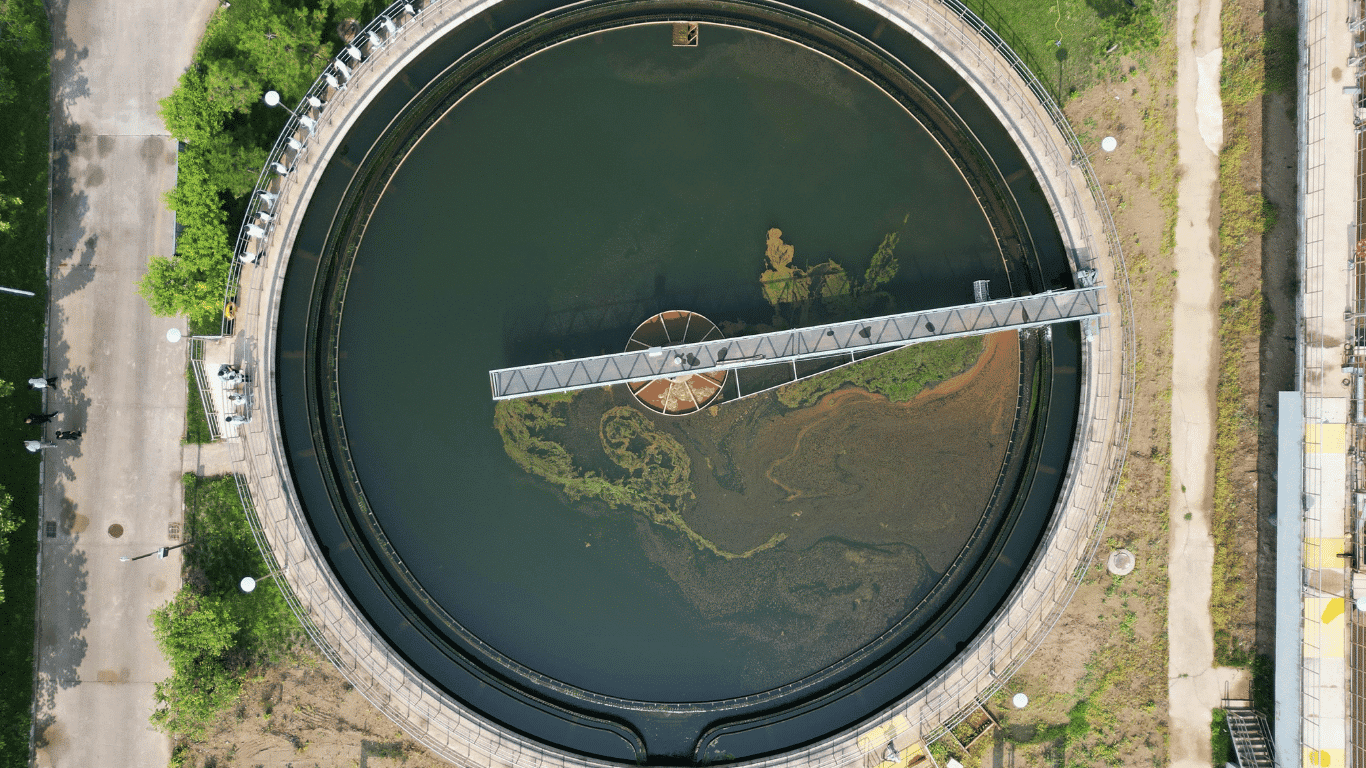
Industrial wastewater can look very different from one facility to another. The wastewater generated by food processing, manufacturing, chemical production, or other industrial processes reflects the raw materials, chemicals, equipment, and production conditions used on site. That variation makes wastewater composition an important starting point when planning treatment.
For industrial facilities, the goal of industrial wastewater treatment goes beyond simply removing visible waste. A reliable industrial wastewater treatment process should address the specific contaminants in the water while supporting discharge requirements, equipment protection, and long-term water management goals. Understanding what enters the wastewater stream gives operators a much clearer path toward selecting the right treatment approach for their facility.
What Is the Industrial Wastewater Treatment Process?
The industrial wastewater treatment process removes contaminants from water generated during industrial operations so facilities can meet discharge requirements, protect downstream systems, or prepare water for reuse. The process typically begins with understanding the wastewater itself, including its flow, contaminant levels, and changes throughout production. From there, operators can determine which treatment processes make sense for the facility rather than relying on a standard system.
In practice, industrial wastewater treatment usually combines several treatment methods, with each one targeting a specific part of the wastewater. One stream may need solids removal, while another may require chemical treatment or biological processes. That is why proper treatment starts with a clear treatment approach based on the facility’s wastewater streams, production conditions, discharge limits, and reuse goals. The right system is not simply a single piece of equipment. It is a coordinated treatment train designed to address the contaminants that actually matter.
What Contaminants Are Found in Industrial Wastewater?
The contaminants found in industrial wastewater depend heavily on what a facility makes and how it makes it. Food and beverage processing, for example, can produce high-strength wastewater with substantial organic matter and other organic materials. Food processing operations may also contribute fats, oils, and suspended solids. In contrast, chemical manufacturing can produce wastewater containing dissolved contaminants, organic compounds, and toxic compounds that vary according to the products and chemical processes involved.
Other industries create their own treatment challenges. Pharmaceutical manufacturing may introduce active pharmaceutical ingredients and other difficult-to-treat compounds. Automotive operations can contribute oils, lubricants, and heavy metals, while the steel industry may generate wastewater containing metals and process chemicals. Pulp and paper facilities often produce wastewater with significant organic material and suspended solids, while oil and gas operations generate complex produced water with a mixture of dissolved pollutants and other contaminants.
That is why operators should start with what’s actually in the water before choosing a treatment strategy. Testing and wastewater characterization can reveal the concentration and variability of key contaminants, helping teams determine which treatment processes can address them effectively. Once the wastewater profile is clear, facilities have a much stronger basis for selecting physical, chemical, or biological treatment methods that fit their specific operating conditions.
Preliminary and Primary Treatment
The industrial wastewater treatment process typically starts with preliminary treatment to remove large debris and stabilize the flow entering the rest of the system. Screens, grit removal equipment, and other physical barriers can capture larger materials before they reach pumps, tanks, and downstream equipment. This first step may seem basic, but it can prevent unnecessary wear, blockages, and operating problems later in the treatment train.
Next, primary treatment focuses on separating suspended solids, settleable materials, and free oils from the wastewater. Physical separation methods can include settling, screening, and mechanical filtration, depending on the wastewater characteristics. When a facility needs stronger separation of oils, grease, or fine particles, dissolved air flotation can provide another effective option. The process uses small air bubbles to help bring suspended material and oils to the surface for removal. ProChem’s dissolved air flotation systems provide a dedicated approach for this type of separation.
Operators should also pay attention to what happens to the material removed during these stages. Captured solids, oils, and other solid waste require appropriate handling and disposal. Good separation at the front of the system protects downstream treatment processes and gives the rest of the plant a more consistent wastewater stream to work with.
Secondary Treatment and Biological Processes
Secondary treatment takes the wastewater a step further by targeting dissolved and biodegradable organic matter that physical separation cannot remove on its own. Biological treatment relies on microorganisms to consume or transform this material under controlled conditions. For facilities producing organic-rich wastewater, these biological processes can play an important role in reducing the organic load before the water moves to additional treatment.
Activated sludge remains one of the more common approaches for managing biodegradable organic waste. In activated sludge systems, operators maintain conditions that allow microorganisms to grow and break down organic matter in the wastewater. However, the industrial wastewater treatment process does not automatically require a biological stage. The effectiveness of biological treatment depends on factors such as organic loading, oxygen availability, temperature, wastewater chemistry, and the amount of biological sludge the system produces.
Operators should also be careful when wastewater contains chemicals or toxic compounds. Some contaminants can inhibit microorganisms and disrupt biological performance, particularly when concentrations change unexpectedly. Before selecting a biological process, teams should characterize the wastewater and understand how its composition may affect microbial activity. That information helps determine if biological treatment fits the facility and how operators should manage the process for stable performance.
Chemical Treatment and Advanced Treatment Methods
Chemical treatment becomes useful when wastewater contains dissolved contaminants that physical separation or biological treatment cannot adequately address. Operators can use controlled chemical reactions to change the characteristics of these contaminants and make them easier to remove. For example, chemical precipitation can convert dissolved metals into particles that can then separate from the water. Neutralization can also adjust pH when wastewater leaves a process outside the range required for downstream treatment.
Other treatment methods can target specific contaminants. Adsorption can help remove certain dissolved chemicals and organic compounds, while chemical processes can support the removal of heavy metals and other difficult constituents. The right approach depends on the wastewater chemistry, contaminant concentration, and treatment objective. If you want a closer look at how these strategies work, ProChem’s guide to chemical treatment of wastewater provides additional context.
When conventional treatment does not achieve the required water quality, tertiary treatment can provide additional polishing. Tertiary processes may include advanced oxidation processes, specialized filtration, or other technologies designed to address contaminants that remain after earlier stages. These advanced options can also help address emerging contaminants when discharge or reuse requirements call for a higher level of treatment. The goal is not to add treatment simply because it is available, but to use the right process for the contaminants that remain.
Tertiary Treatment, Disinfection, and Water Reuse
Tertiary treatment provides an additional level of polishing after primary and secondary treatment have removed most of the readily separable contaminants. This stage targets whatever remains, especially when a facility faces stricter discharge requirements or needs higher-quality water for reuse. Membrane systems can provide fine separation of remaining particles and dissolved contaminants, while other advanced treatment technologies can target specific water quality concerns. The right combination depends on the quality targets established for the treated water.
Disinfection may also form part of the final treatment stage when pathogen control matters for the intended discharge or reuse application. Facilities can use technologies such as ultraviolet radiation, chlorination, or ozonation to reduce microorganisms and support public health. Ultimately, the industrial wastewater treatment process can produce treated wastewater suitable for a range of applications when the treatment train matches the reuse requirements. For facilities looking to reduce freshwater demand, industrial water reuse can turn treated industrial wastewater into a valuable resource while supporting environmental protection and long-term environmental sustainability.
Choosing the Right Treatment Train for an Industrial Facility
Choosing an industrial wastewater treatment plant starts with the wastewater, not simply the name of the industry. Before selecting industrial wastewater treatment methods, teams should look at flow rates, variability, contaminant concentrations, pH, solids, organic loading, and the presence of heavy metals or dissolved contaminants. The manufacturing process can also change the wastewater profile over time, so operators should account for seasonal changes, production shifts, and intermittent waste streams.
From there, consider how each treatment stage will fit the facility as a whole. Discharge permits and potential water reuse goals help establish the required water quality, while available space, sludge handling, operating requirements, and existing downstream equipment influence system design. On site treatment may make sense for some facilities, while others may need a more specialized arrangement. The most effective treatment processes combine the appropriate treatment methods for the actual wastewater composition, rather than forcing every facility into the same treatment train.
Compliance, Monitoring, and Long-Term Performance
A reliable wastewater management program has to account for more than day-to-day treatment performance. Facilities need to meet applicable local, state, and federal requirements, and discharge permits often determine how much treatment the water needs before release or reuse. Regulatory compliance also depends on consistent operation, so teams should know their limits and understand how changes in production can affect wastewater quality. In the United States, the EPA has established regulations for centralized waste treatment facilities, reinforcing the importance of managing industrial wastewater under appropriate regulatory requirements.
Ongoing monitoring gives operators a better chance of catching problems early. Track flow, pH, solids, contaminant levels, and other important water quality indicators, then look for changes that could signal an upset in the treatment system. Requirements can also change, so review the treatment strategy periodically rather than assuming the existing approach will always remain adequate. Strong water treatment practices support compliance while protecting downstream equipment, receiving water bodies, and the surrounding environment.
Building a More Reliable Industrial Wastewater Treatment Strategy
A reliable strategy starts with knowing your wastewater. Characterize each wastewater stream, identify the contaminants and how their concentrations change, then match the treatment processes to the actual treatment objectives. From there, monitor performance consistently and look for opportunities to reuse treated wastewater. It also helps to review the system whenever production changes, since a new raw material, process chemical, or manufacturing step can alter the water quality and require adjustments to the treatment train.
The industrial wastewater treatment process works best when the entire system works together. Reviewing your current treatment approach or planning a new water treatment strategy? Talk to our experts. ProChem Inc. can help you evaluate your wastewater characteristics and identify practical treatment options that support reliable performance, compliance, and long-term water management.
