
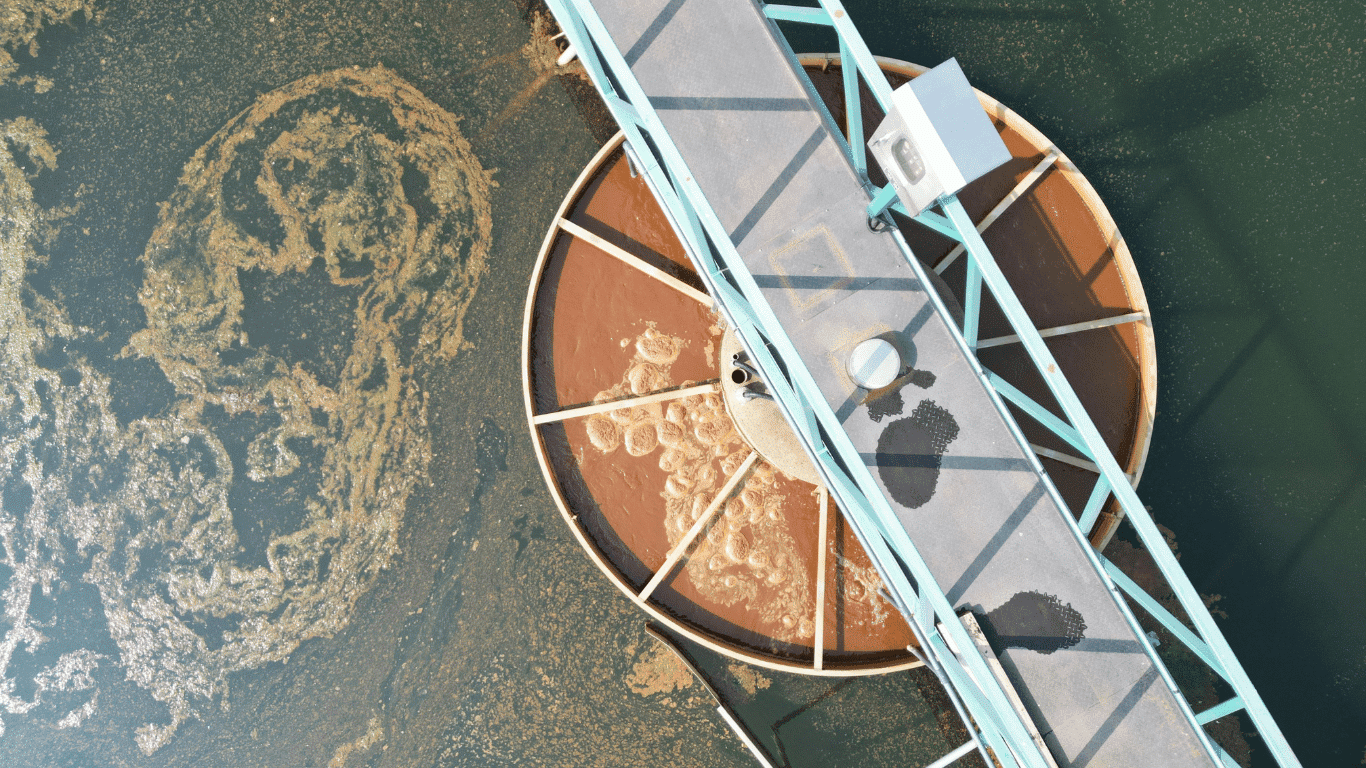
Managing wastewater discharge is an important responsibility for industrial facilities, particularly those that release treated water or stormwater into nearby waterways. In the United States, the National Pollutant Discharge Elimination System (NPDES) establishes the requirements facilities must follow to control these discharges. Understanding NPDES permit requirements helps operators protect water quality, maintain environmental compliance, and avoid regulatory problems. It also gives facility teams a clearer picture of their responsibilities before wastewater leaves the site.
Understanding NPDES Permits and Their Purpose
The National Pollutant Discharge Elimination System (NPDES) is a federal permitting program established under the Clean Water Act of 1972. The Environmental Protection Agency (EPA) administers the NPDES program, although authorized states, territories, and tribal governments can issue permits and oversee compliance within their jurisdictions. Its primary purpose is to regulate point source discharges of pollutants into waters of the United States.
A point source refers to a recognizable, confined, and discrete conveyance that releases pollutants into surface waters. Common examples include pipes, drainage ditches, channels, and industrial outfalls. For industrial facilities, these discharge points may carry process wastewater, treated effluent, or stormwater runoff that has contacted production materials. The Clean Water Act generally prohibits unauthorized point source discharges, making appropriate permit coverage essential for regulated operations.
NPDES permits establish the conditions a facility must meet before it can discharge wastewater. These conditions can include pollutant concentration limits, sampling schedules, monitoring locations, reporting obligations, and specific treatment requirements. The permitting authority evaluates the facility’s discharge and the receiving water’s quality to determine appropriate controls. As a result, each permit provides a framework that helps protect rivers, lakes, and other surface waters from harmful pollutants.
Which Facilities Need an NPDES Permit?
Industrial facilities that discharge pollutants from a point source into waters of the United States generally need NPDES authorization. This requirement can apply to manufacturing plants, chemical processing facilities, food and beverage producers, metal finishing operations, power plants, and other industrial sites. The type of wastewater and the way it leaves the property help determine the applicable permit requirements.
Wastewater discharges can include process water, equipment washdown, cooling water, and sanitary wastewater. Stormwater also requires attention, especially when rainfall or snowmelt comes into contact with exposed materials, chemicals, equipment, or waste storage areas. Runoff can transport oil, sediment, metals, and other pollutants into nearby waterways through drainage systems or discharge outlets.
Construction activities have separate stormwater permitting requirements. Projects that disturb one acre or more of land generally need construction stormwater permit coverage when their runoff discharges to regulated waters. Smaller projects may also qualify if they form part of a larger common plan of development or sale. In addition, certain industrial activities require stormwater coverage even when they do not involve construction. Facilities should evaluate both their wastewater discharge points and their outdoor operations to determine which permits apply.
Types of NPDES Permits
The NPDES program offers two primary permitting options: general permits and individual permits. Both authorize regulated discharges, but they differ in how the permitting authority evaluates facilities and establishes permit conditions. Choosing the appropriate option depends on the operation, discharge characteristics, location, and applicable eligibility criteria.
General NPDES permits cover multiple facilities or operators that perform similar activities and meet specified conditions. For example, an industrial stormwater general permit may apply to facilities within certain manufacturing sectors. Eligible applicants typically submit a Notice of Intent (NOI) to request permit coverage. Once the permitting authority approves or otherwise establishes coverage under the applicable process, the facility must follow the general permit’s conditions, monitoring obligations, and reporting requirements.
An individual NPDES permit addresses a specific facility and its particular discharge characteristics. The application process generally requires more detailed information about wastewater sources, treatment systems, discharge locations, expected pollutant concentrations, and receiving water conditions. The permitting authority reviews this information and develops site-specific conditions. Facilities that cannot qualify for general permits, or that have complex discharge characteristics, may need individual permits instead.
Understanding Effluent Limits and Permit Conditions
One of the most important parts of NPDES permit requirements involves effluent limitations. These limits establish the maximum amount or concentration of pollutants a facility can release through an authorized discharge. They help ensure that wastewater treatment systems remove or control contaminants before treated water reaches receiving waters.
Permitting authorities generally establish two types of effluent limitations. Technology-Based Effluent Limitations (TBELs) require facilities to meet pollution control standards based on applicable treatment technologies and regulatory guidelines for their industrial category. Water Quality-Based Effluent Limitations (WQBELs) apply when technology-based controls alone cannot adequately protect the receiving water. These additional limits consider applicable water quality standards and the conditions of the receiving environment.
Total Maximum Daily Loads (TMDLs) can also influence discharge limits. A TMDL identifies the maximum amount of a particular pollutant that a waterbody can receive while still meeting established water quality standards. If a receiving river or lake already experiences pollution concerns, the permitting authority may establish more restrictive conditions for contributing facilities. Operators should therefore understand the pollutants their processes generate and how their discharge could affect the surrounding watershed.
The NPDES Permitting and Application Process
Obtaining NPDES coverage starts with identifying the facility’s discharge activities and the appropriate permitting authority. EPA directly administers the program in certain jurisdictions, while authorized state agencies issue permits in others. Contact the responsible agency early to confirm applicable permit types, application forms, fees, submission deadlines, and eligibility criteria.
Next, gather the technical information needed for the application. Most permit applications require details about the facility’s operations, wastewater sources, discharge locations, treatment equipment, flow rates, and potential pollutants. The permitting authority may also request analytical sampling results, process descriptions, and information about the receiving water. Complete permit applications help reviewers determine the appropriate effluent limits and monitoring conditions.
For individual permits, the agency generally prepares a draft permit for public review. The permitting process includes public notice and an opportunity for interested parties to provide input. The authority reviews relevant comments before issuing the final permit. General permits follow their own notice and coverage procedures, so operators should review the applicable requirements carefully. Planning ahead also matters during renewals. NPDES permits generally have terms of no more than five years, and individual permittees must submit a complete renewal application at least 180 days before expiration if they intend to continue discharging.
Monitoring, Reporting, and Maintaining Compliance
Receiving an NPDES permit does not end a facility’s responsibilities. Operators must continuously monitor their wastewater discharge and demonstrate that treatment systems meet the permit’s conditions. The permit specifies monitoring locations, sampling frequencies, analytical methods, and the pollutants that require testing. Depending on the discharge, facilities may need to monitor parameters such as pH, total suspended solids, metals, nutrients, oil and grease, and other regulated contaminants.
Facilities must also submit Discharge Monitoring Reports (DMRs) according to the permit’s reporting schedule. These reports document discharge measurements, laboratory results, and other required compliance information. Some permits require monthly or quarterly submissions, while others establish different schedules. The permitting authority may also request additional sampling data when discharge conditions or environmental concerns warrant further evaluation.
Consistent monitoring helps operators identify treatment problems before they lead to permit violations. For example, unusual pH readings, rising suspended solids, or changes in pollutant concentrations may indicate chemical dosing problems, equipment issues, or inconsistent wastewater loading. Keep accurate sampling records, review laboratory results promptly, and maintain treatment equipment according to its operating requirements. If monitoring identifies a potential exceedance, follow the permit’s notification and corrective action procedures.
Consequences of NPDES Permit Violations
Failure to meet permit conditions can create serious operational and legal consequences. Agencies can issue notices of violation when facilities exceed effluent limits, fail to complete required monitoring, submit inaccurate reports, or discharge without proper authorization. Depending on the circumstances, enforcement actions can include monetary penalties, administrative orders, and corrective measures. More serious violations may lead to legal action against the facility.
Noncompliance can also affect future projects. Permit violations may complicate renewal applications, delay regulatory approvals, or create additional requirements when facilities expand their operations. For industrial operators, these problems can interrupt production and increase wastewater treatment costs. Maintaining accurate records and addressing treatment issues promptly helps reduce these risks.
Managing Industrial Wastewater and Discharge Compliance
A reliable wastewater treatment program helps facilities meet discharge limits and maintain consistent operating conditions. Start by identifying the pollutants generated by each process, then evaluate whether the existing treatment system can adequately remove them. Depending on wastewater characteristics, treatment may involve pH adjustment, chemical precipitation, coagulation, clarification, filtration, or membrane separation.
Facilities should also review how their treatment equipment responds to changing wastewater flows and pollutant concentrations. A system that performs well under normal operating conditions may struggle when production increases or wastewater composition changes. Understanding the industrial wastewater treatment process can help operators evaluate treatment stages and identify areas that need improvement.
In addition, regular system evaluations can help prevent unexpected discharge problems. Review chemical dosing, inspect pumps and filtration equipment, verify monitoring instruments, and maintain clear operating records. ProChem’s wastewater treatment systems include solutions for industrial wastewater treatment, metals removal, solids removal, and water reuse. The right combination of treatment equipment and chemical programs can help facilities maintain discharge quality while supporting reliable operations.
Building a Consistent NPDES Compliance Strategy
Meeting NPDES permit requirements takes more than submitting an application and installing wastewater treatment equipment. Facility teams need to understand their authorized discharge points, maintain the correct permit coverage, follow effluent limits, and complete monitoring and reporting on schedule. Start by reviewing your current permit, identifying upcoming deadlines, and checking whether your treatment system can consistently meet its conditions. Then establish clear operating procedures, maintain accurate records, and address unusual monitoring results before they develop into larger problems.
Need help improving treatment performance or addressing discharge compliance challenges? ProChem’s wastewater compliance services can help evaluate your system, identify treatment needs, and develop a practical approach to maintaining reliable discharge performance.
Connect with us to discuss your facility’s wastewater treatment needs and explore solutions that support your NPDES compliance goals. Our experts can help you assess your current treatment processes, identify opportunities for improvement, and build a more reliable approach to managing industrial wastewater discharge.
