
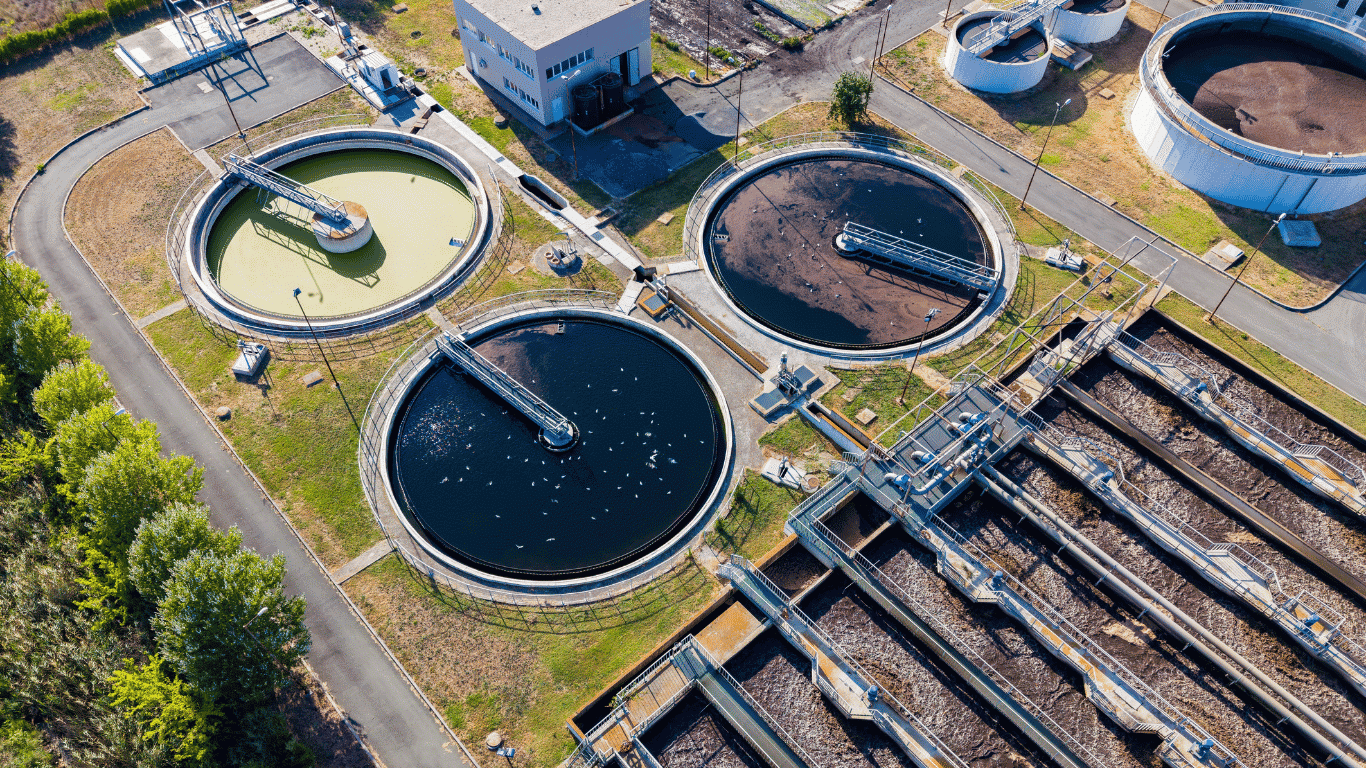
Water quality can change quickly inside an industrial or municipal treatment system. A shift in pH, turbidity, conductivity, temperature, or dissolved oxygen can affect treatment performance before an operator notices a visible problem. Water treatment sensors give operators a clearer view of these changes as they happen, helping them make informed decisions and keep treatment systems operating as intended.
For facilities managing complex treatment processes, reliable data matters just as much as the equipment itself. The right sensors can track critical conditions, identify developing problems, and support better water management without relying entirely on manual sampling.
What Water Treatment Sensors Measure
At their core, water treatment sensors measure physical, chemical, and biological properties that influence water quality. Different sensor types focus on specific water quality parameters, giving operators useful information about what is happening inside tanks, pipes, treatment stages, and discharge points.
Common measurements include pH, turbidity, conductivity, temperature, dissolved oxygen, pressure, flow, liquid level, and disinfectant concentration. Facilities select sensors according to their treatment goals, the characteristics of the water, and the information operators need to manage the process effectively.
For example, pH sensors measure hydrogen ion activity, while electrochemical sensors can detect voltage changes associated with specific ions. Optical sensors use light to assess clarity or identify changes in the water. Together, these technologies support more detailed monitoring than occasional manual testing alone.
Common Sensors Used in Water Treatment
Turbidity sensors play an important role when operators need to track suspended particles and cloudiness. Increased turbidity can indicate solids carryover, filtration problems, or changing source-water conditions. Monitoring turbidity also helps operators evaluate filtration performance and identify changes that may require attention.
Dissolved oxygen sensors measure the amount of oxygen present in water. This measurement becomes particularly important in biological wastewater treatment, where microorganisms rely on oxygen during treatment. Wastewater treatment facilities may also monitor biological oxygen demand and nutrient levels closely to maintain appropriate treatment conditions.
Level sensors provide another practical safeguard. They monitor the height of liquids in tanks, reservoirs, and other vessels, helping operators prevent overflows and maintain appropriate operating levels. Flow sensors measure the speed or volume of water moving through pipes, giving teams better control over system capacity and process conditions.
Using Data to Manage Water Quality
Conductivity probes measure how easily electrical current passes between electrodes in water. Since dissolved ions affect conductivity, operators can use conductivity measurements as an indicator of changes in dissolved solids and overall water conditions. Conductivity sensors can therefore help estimate total dissolved solids and identify changes that may affect downstream treatment.
Water quality sensors also make continuous monitoring more practical. Instead of collecting a water sample and waiting for laboratory results before responding, operators can review incoming measurements and recognize changes much sooner. This real time monitoring can be especially valuable in systems where water chemistry changes throughout the day.
The value of sensor data increases when facilities connect measurements to a broader water management system. IoT technology can collect data from multiple points, while modern analytics and artificial intelligence can help teams identify patterns across large datasets. These tools can support predictive maintenance and help operators respond before a small process change becomes a larger operational problem.
Sensors Across Industrial and Drinking Water Systems
Industrial facilities use water treatment sensors across a wide range of applications. Manufacturing operations, cooling systems, boilers, process-water systems, and wastewater treatment plants can all benefit from measurements that reveal changes in water chemistry or equipment performance.
Drinking water treatment requires another level of attention because water quality directly affects public health. Chlorine sensors, for example, help verify that sufficient sanitizer remains available to control pathogens. Water quality sensors can also monitor pH, turbidity, and other conditions at drinking water sources and treatment plants.
The same principle applies to wastewater treatment. Operators need dependable data to manage treatment processes, maintain discharge quality, and respond to changing influent conditions. Continuous measurement can also support wastewater discharge monitoring and help facilities demonstrate that their operations align with applicable regulatory standards.
Choosing and Maintaining the Right Sensors
Sensor selection should start with the measurement you actually need. Think about the water characteristics, operating temperature, pressure, expected contaminant levels, installation point, and required measurement range. A sensor designed for one application may not perform well in another, even when both systems involve similar water.
It is also important to consider how the sensor will connect with your existing systems. Good integration allows teams to collect data from multiple measurement points and see useful trends without creating another isolated source of information. Proper installation, calibration, cleaning, and routine maintenance also help protect measurement reliability over time.
For facilities evaluating filtration or treatment upgrades, sensor data can complement the equipment itself. A water quality sensor can help operators understand changes before and after treatment, while water monitoring systems can bring measurements together for easier oversight and decision-making.
Turning Monitoring Into Better Treatment Decisions
Good monitoring should lead to action. When turbidity begins to rise, an operator may investigate filtration performance. A change in conductivity may signal increasing dissolved solids. A drop in dissolved oxygen may prompt an adjustment to biological treatment conditions. The sensor provides the measurement, but experienced operators use that information to determine what the process needs next.
Teams should also look at trends instead of reacting to every individual reading. A gradual change can reveal developing fouling, scaling, contamination, equipment wear, or other process issues. Comparing sensor data with maintenance records, water usage, chemical consumption, and treatment results can provide valuable information for improving operational efficiency.
As sensor technology continues to develop, facilities have more opportunities to connect measurements across their operations. Smart sensors, IoT connectivity, and advanced analytics can make data collection faster and more useful. Still, the fundamentals remain important: select the right measurements, install equipment correctly, maintain it consistently, and use the information to guide practical treatment decisions.
Building a More Reliable Monitoring Strategy
A strong monitoring strategy starts with identifying the water quality parameters that matter most to your process. From there, operators can determine where measurements should occur, how often they should be collected, and what acceptable operating ranges should look like. Water treatment sensors then become part of a larger strategy for maintaining reliable treatment, protecting equipment, and managing water resources responsibly.
If you are reviewing your monitoring approach, start with the basics: identify critical measurement points, choose sensors suited to each application, establish calibration and maintenance routines, connect useful data to your operating systems, and set clear response procedures for abnormal readings. ProChem Inc. can help you evaluate your water treatment needs and develop a practical approach to monitoring, treatment, and system performance.
Explore our water treatment systems to see how monitoring can fit into a broader treatment strategy.
