
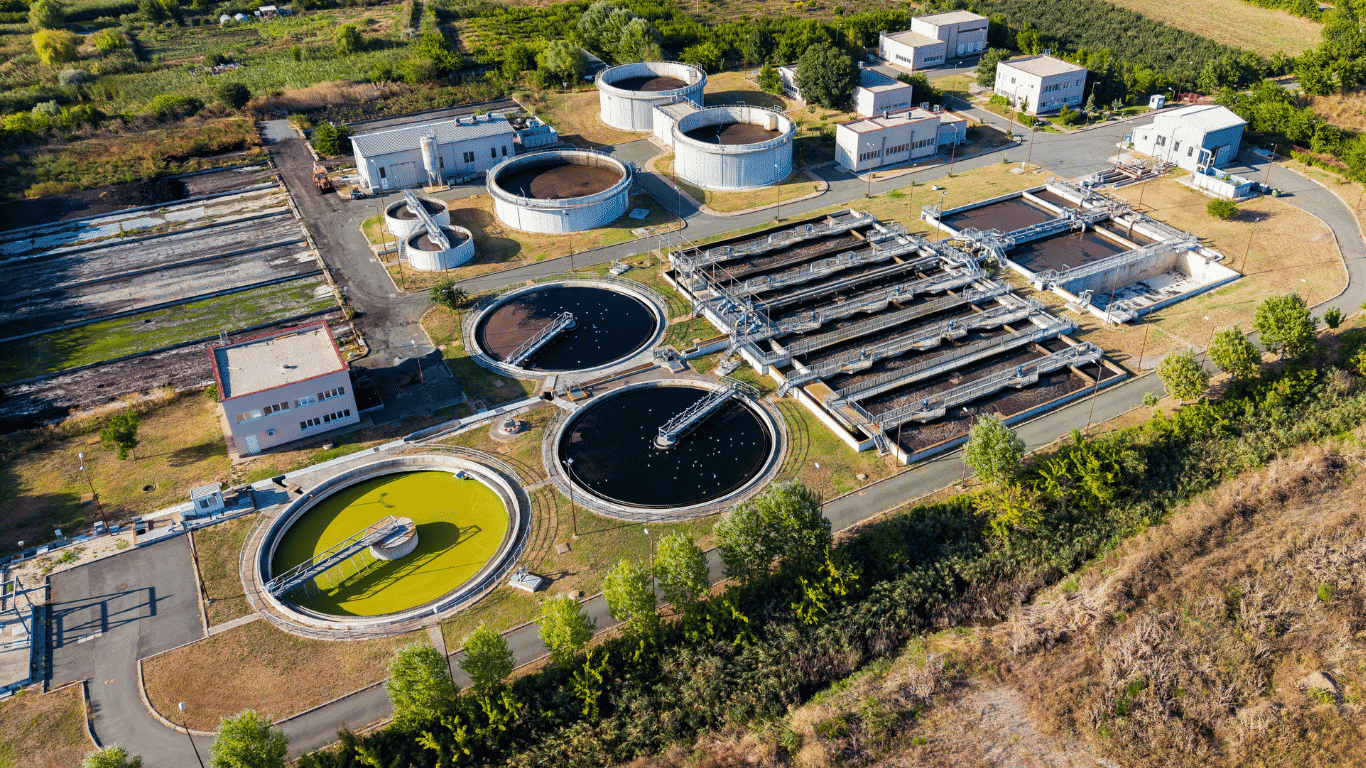
Wash water plays an important role in manufacturing, equipment cleaning, and other industrial operations. However, once it picks up oils, suspended solids, chemicals, and other contaminants, facilities cannot always reuse or discharge it safely. Wash water treatment systems help operators manage these challenges while protecting equipment, improving water quality, and supporting more responsible water use. The right approach starts with understanding what enters the wastewater stream and what the facility needs to achieve.
What Are Wash Water Treatment Systems?
Wash water treatment systems collect and process wastewater from washing operations to remove contaminants before the water returns to a process, enters another treatment stage, or leaves the facility. Depending on the application, the system may handle water from parts washing, vehicle cleaning, industrial equipment maintenance, manufacturing lines, or surface preparation.
The goal is not simply to make wastewater look clean. Operators need to address the specific pollutants in the stream and meet the quality requirements for its intended destination. Some facilities need basic solids removal, while others require advanced filtration, oil separation, chemical treatment, or disinfection. A well-designed system matches these requirements to actual operating conditions.
How Does Wash Water Treatment Work?
Most industrial wash water treatment systems use several stages to remove contaminants. The exact configuration depends on the wastewater composition, flow rate, treatment objectives, and applicable discharge requirements.
Collection and Preliminary Screening
The process begins when the facility collects wash water in a sump, tank, or dedicated collection system. Screens and settling chambers capture large debris, grit, and heavier solids before they reach downstream equipment. This preliminary step reduces the risk of clogged pipes, damaged pumps, and unnecessary wear on filters.
Operators should also identify where the wastewater originates. Water from detergent cleaning may contain surfactants, while metalworking or equipment washing may introduce oils, grease, and metal particles. Understanding these differences helps teams choose the right treatment sequence instead of relying on a one-size-fits-all solution.
Coagulation, Clarification, and Solids Removal
Fine suspended particles often remain in water after screening. Chemical coagulants help neutralize their electrical charges, allowing particles to gather into larger clusters called flocs. Clarification then separates these flocs from the water through sedimentation or flotation, depending on the system design.
Dissolved air flotation (DAF) is particularly useful when wastewater contains oils, grease, or lightweight suspended solids. The system introduces fine air bubbles that attach to contaminants and carry them to the surface for removal. Oil-water separators offer another option for separating free-floating oils and grease based on differences in density. These technologies can reduce the load on downstream treatment equipment.
Filtration and Advanced Treatment
After preliminary treatment and clarification, filtration removes smaller particles that remain in the water. Depending on the application, the system may use multimedia filters, activated carbon, membrane filtration, or other specialized technologies. Carbon filtration can reduce certain organic compounds and residual chemicals, while membrane systems target particles and dissolved substances according to their pore size and separation characteristics.
Facilities with stricter water quality requirements may need additional treatment. Reverse osmosis (RO) can reduce dissolved salts and many other dissolved contaminants, while ultraviolet (UV) treatment can inactivate susceptible bacteria and viruses when the system receives properly pretreated water. Advanced oxidation may also help break down certain persistent organic contaminants. Each technology addresses different pollutants, so operators should confirm its suitability through water analysis and, when necessary, treatability testing.
Which Technologies Do Industrial Facilities Need?
The best treatment combination depends on the kind of wash water a facility generates. Start with the contaminants that matter most, then select equipment that can remove them reliably at the required flow rate.
Common options include:
- Physical filtration: Screens and filters capture debris and suspended solids before they interfere with downstream processes.
- Chemical treatment: Coagulants and other treatment chemicals help separate particles or address specific water chemistry issues.
- Dissolved air flotation: DAF removes oils, grease, and floatable solids from suitable wastewater streams.
- Membrane filtration: Ultrafiltration and related technologies remove particles and other contaminants based on membrane characteristics.
- Reverse osmosis: RO reduces dissolved salts and selected contaminants when the process requires higher-quality water.
- Disinfection: UV light, ozone, or carefully controlled chemical dosing can address microbial risks when the application requires it.
- Biological treatment: Selected microorganisms break down biodegradable organic contaminants in wastewater suited to biological processes.
For a closer look at how these options fit into a broader treatment strategy, explore ProChem’s industrial wastewater treatment systems. The right design may combine several technologies rather than depend on one treatment method.
What Are the Benefits of Treating Wash Water?
Effective treatment can help facilities reduce freshwater demand, manage wastewater more consistently, and protect downstream equipment. When the treated water meets the required quality specifications, operators may reuse it for suitable washing steps, equipment rinsing, or other non-potable applications. This reduces the need to draw fresh water for every cycle and can lower wastewater volumes.
Water reuse also creates opportunities to improve operating efficiency. However, savings depend on the facility’s water consumption, wastewater characteristics, energy requirements, chemical use, and disposal costs. Treatment does not automatically reduce expenses in every application. Compare the cost of equipment, maintenance, energy, and residuals handling against the value of recovered water and avoided disposal to determine the actual benefit.
Proper treatment also helps facilities protect sewer infrastructure and prevent pollutants from reaching natural water bodies. Meeting discharge requirements remains essential, particularly when wastewater contains oils, metals, cleaning agents, or other regulated substances. Operators should verify applicable permit conditions and local requirements instead of assuming that visual clarity alone indicates compliance.
How to Choose the Right Treatment System
Start with a clear picture of your wash water. Test representative samples and identify the pollutants, pH, suspended solids, oil and grease, dissolved substances, and other parameters relevant to your process. Sampling at different stages or during different production cycles may reveal changes that a single sample misses.
Next, estimate average and peak flow rates. A system that handles normal production may struggle during cleaning cycles or periods of increased throughput. Consider the available installation space, existing tanks and piping, utilities, chemical storage, automation requirements, and the amount of residual sludge or concentrated wastewater the facility must manage.
Finally, establish the required water quality for discharge or reuse. Water intended for another washing stage may need a different treatment level from water used for final rinsing. If the facility plans to reuse water in a closed-loop arrangement, determine how contaminants will accumulate over time and what treatment or controlled purge will keep the system stable. ProChem’s water treatment systems and technologies provide a useful starting point for evaluating potential treatment approaches.
Operating and Maintaining Wash Water Treatment Systems
Even a properly selected system needs consistent monitoring. Operators should track flow, pressure differentials across filters, tank levels, chemical feed rates, and key water quality indicators. Changes in turbidity, pH, oil carryover, or treatment performance may indicate a process upset, a worn component, or a change in the wastewater entering the system.
Maintenance schedules should reflect actual operating conditions and equipment requirements. Clean or replace filters as specified, inspect pumps and valves, check chemical dosing equipment, and service membranes according to manufacturer guidance. DAF units may require regular removal of accumulated float material, while clarification equipment needs attention to sludge buildup and solids handling.
Teams should also keep records of water testing, maintenance, chemical consumption, and discharge results. These records help operators spot trends, investigate recurring problems, and demonstrate compliance when required. If wash water quality changes because of a new cleaning chemical, production material, or operating procedure, reassess the treatment process before the change causes persistent performance issues.
Building a More Effective Wash Water Management Plan
A practical wash water management plan begins with three steps: identify the source and composition of the wastewater, define the quality needed for discharge or reuse, and select treatment technologies that meet those requirements at realistic operating flows. From there, establish monitoring procedures, maintenance intervals, and a plan for handling sludge, recovered oils, and other treatment residuals.
Facilities should review the system whenever production changes, water quality shifts, or operating costs rise unexpectedly. ProChem Inc. helps industrial facilities evaluate water treatment needs and identify suitable technologies for their processes. Contact ProChem to discuss your wash water challenges and explore a treatment approach that supports reliable operations, responsible water use, and your facility’s performance goals.
