
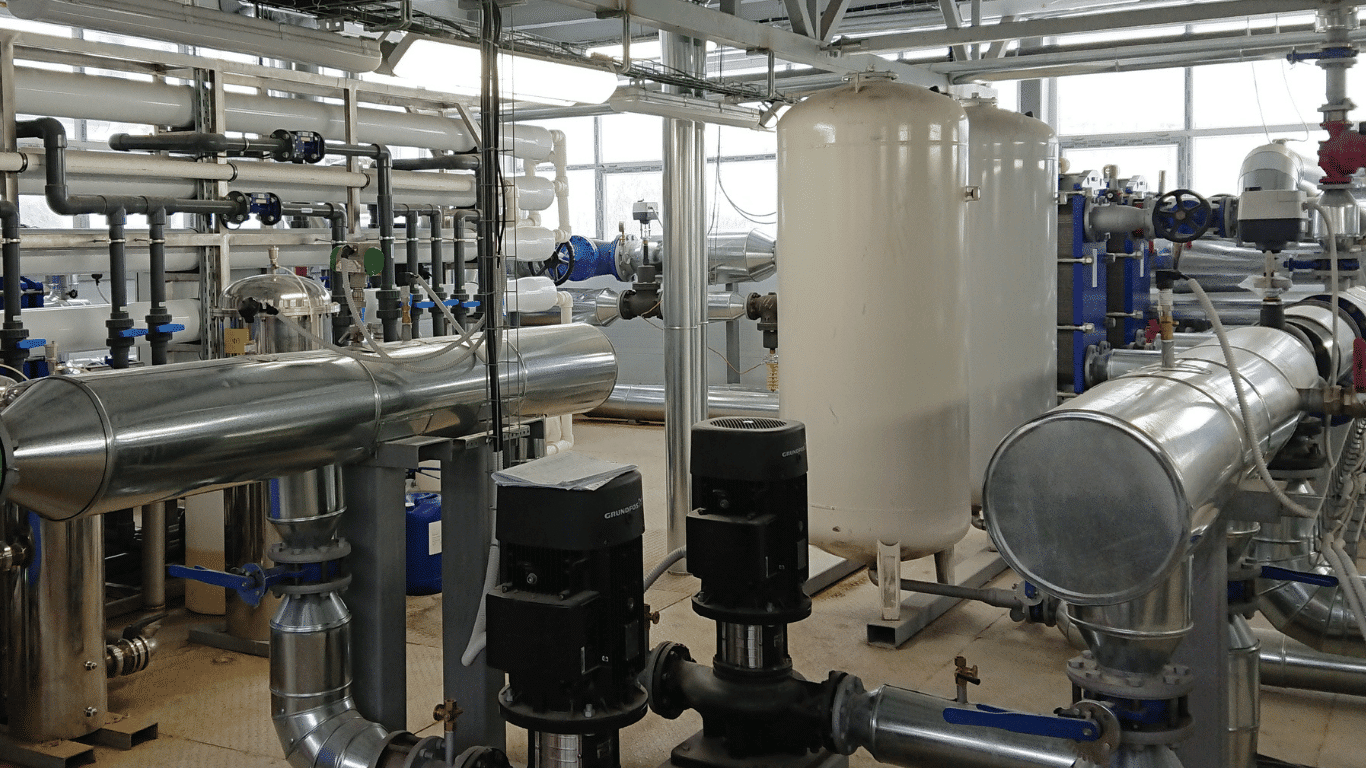
Reliability often comes down to how well your closed loop water treatment program is managed. Closed loop systems circulate the same water through equipment, which makes them efficient but also sensitive to changes in water chemistry. These water systems are commonly used in cooling systems where consistent heat transfer matters. When loop water treatment is handled properly, operators can maintain stable conditions, protect equipment, and keep operations running smoothly over the long term without unexpected disruptions.
What Closed Loop Systems Are
A closed loop water system is designed to circulate the same water continuously through equipment without direct exposure to the outside environment. In these closed loop systems, the water stays contained within piping, pumps, and heat exchange equipment. This setup allows operators to maintain better control over water chemistry, since the loop water is not constantly replaced. Most closed systems rely on stable conditions to support consistent performance, especially in applications where temperature control and equipment protection are critical.
Closed loops operate very differently from open systems and open loop systems, where water is regularly introduced and discharged. In those setups, contaminants enter more easily, and water quality fluctuates more often. In contrast, closed loop systems limit outside exposure, which helps maintain cleaner loop water over time. This approach is widely used across industrial facilities and even in power plants, where maintaining consistent operating conditions is essential for long-term efficiency and system reliability.
How Closed Loop Water Treatment Works
At its core, loop water treatment supports how water continuously moves through closed loops, carrying heat away from equipment and returning to repeat the cycle. The process is straightforward but highly controlled. Water circulates through piping, absorbs heat from equipment, and flows back through the system without being discharged. Because closed loops reuse the same water, maintaining stable conditions becomes critical for reliable operation. Operators who understand this flow can keep systems running efficiently while minimizing disruptions across cooling systems and other temperature-sensitive applications.
The real work happens inside the heat exchanger, where heat transfer takes place without mixing fluids. Water absorbs heat from one side, releases it on another, and continues circulating through the loop. This continuous cycle supports heat transfer efficiency and helps systems stay energy efficient over time. Well-maintained closed loops improve overall performance because they allow consistent, controlled heat transfer with fewer losses. If you want to see how treatment technologies support this process, explore our system solutions here.
Key Components of Closed Loop Systems
To keep closed loop systems running reliably, it helps to understand the system components that support daily operation. Several key components work together to move water, manage pressure, and protect equipment. Piping networks carry water across the system, while pumps maintain circulation through the loop. A surge tank is often included to handle changes in water volume and pressure, keeping the system stable during operation. These key components form the backbone of most closed loop water systems, especially in applications where consistent flow and temperature control are required.
Beyond flow control, the condition of pipe surfaces and metallic surfaces plays a major role in long-term performance. These internal areas are where corrosion, scaling, or deposits can develop if left unchecked. That is why monitoring and control equipment is just as important as the physical infrastructure. Sensors, gauges, and testing points allow operators to track system conditions and respond early to changes. When these system components are managed properly, closed loop systems can maintain stable operation and avoid unnecessary wear over time.
Water Quality and Chemistry Control
Water quality sits at the center of any reliable closed loop operation. Even though the same water stays in circulation, small changes in chemistry can build up and affect performance over time. That is why consistent water treatment and proper water treatment practices are essential. Operators should pay close attention to pH balance and dissolved oxygen levels, since both directly influence corrosion and system stability. Regular water testing helps catch these shifts early, allowing teams to adjust conditions before problems develop. With proper chemical treatment in place, closed loop systems maintain cleaner water, protect internal surfaces, and continue operating under controlled and predictable conditions.
Corrosion, Scale, and Microbial Risks
Even in controlled environments, closed loops are not immune to common water-related issues. Without the right safeguards, scale formation can develop on internal surfaces, while microbial growth can take hold in low-flow areas. These problems often go unnoticed at first but gradually reduce efficiency and strain system components. Galvanic corrosion is another concern, especially when different metals are present and water chemistry is not properly balanced. Over time, these conditions lead to biological fouling and surface damage inside the heat exchanger, which directly affects performance. This is where corrosion inhibitors play a critical role. With the right treatment approach, operators can protect equipment, maintain cleaner surfaces, and avoid long-term system damage.
Loop Water Treatment Strategies
Effective loop water treatment comes down to a balanced approach that combines filtration, chemical control, and ongoing oversight. Even in closed loops, small amounts of debris or corrosion byproducts can accumulate, so filtration helps keep the system clean and stable. At the same time, chemical treatments are used to manage corrosion potential, control deposits, and maintain the right water chemistry. Proper treatment is not a one-time task, it requires consistent monitoring to track changes and adjust conditions as needed. Teams that stay proactive with these strategies tend to see fewer disruptions and more predictable system performance over time.
Monitoring and Testing Practices
Strong monitoring habits are what give operators better control over closed loop systems. Regular water testing provides a clear view of current conditions, helping teams track shifts in water quality before they turn into larger issues. Many facilities combine routine sampling with real-time checks, allowing them to respond quickly when something changes. This preventive approach keeps systems stable and avoids unexpected performance drops. When operators stay consistent with monitoring, they maintain tighter control over water quality and support long-term reliability across the entire loop.
System Performance and Efficiency
System performance often reflects how well loop water is managed over time. When water chemistry stays stable and clean, the heat exchanger operates more effectively, allowing consistent heat transfer with fewer losses. This directly supports energy efficiency, since equipment does not have to work harder to compensate for fouling or buildup. On the other hand, neglected systems tend to develop inefficiencies that drive up maintenance costs and strain key components. Operators who stay proactive with treatment and monitoring usually see smoother operation, lower energy use, and more predictable performance across the entire system.
Cooling and Industrial Applications
In many facilities, cooling systems play a critical role in keeping operations stable, especially where heat producing equipment runs continuously. Chilled water systems and other closed loop water systems are widely used across different industrial applications because they maintain consistent temperatures without constant water loss. These setups support industrial processes that demand reliable thermal control, from manufacturing lines to heavy equipment operations. By keeping water contained within closed loop water systems, operators can maintain stable conditions while reducing fluctuations that often affect performance. This approach helps ensure equipment stays protected while processes continue running efficiently under demanding conditions.
Maintenance Best Practices
A strong preventive maintenance approach keeps closed loop systems reliable and stable over time. Instead of reacting to issues, operators focus on frequent treatment to maintain balanced water conditions and protect internal components. Proper filtration also plays a key role, especially when it comes to remove suspended solids that can settle on pipe surfaces and heat exchangers. When these materials are not controlled, they often lead to reduced efficiency and unexpected system strain. Over time, neglect can result in costly repairs and shorter equipment life, both of which can be avoided with consistent care. For facilities aiming to strengthen their approach, guidance through structured programs such as our O&M services for industrial water systems can help improve long-term system reliability.
ProChem Support for Closed Loop Water Treatment
Managing closed loop water treatment effectively requires more than routine checks, it needs a structured approach that understands how water systems behave under continuous operation. At ProChem, we work closely with industrial facilities to design solutions that improve stability, support proper water treatment, and optimize overall system performance. Our chemical programs are built to control corrosion, reduce deposits, and maintain consistent operating conditions across different applications. This helps water systems run more predictably while reducing long-term operational risks. For teams looking to improve control and efficiency, you can explore our chemical programs and system optimization features to see how tailored treatment strategies support reliable industrial performance.
Next Steps
Well-managed closed loops deliver long-term reliability, stable operation, and better system efficiency, especially when supported by consistent water treatment practices. When water chemistry is properly controlled, equipment runs smoother, heat transfer remains stable, and overall system performance becomes more predictable. Over time, this directly supports longer equipment life, fewer disruptions, and more sustainable operation across industrial environments.
Looking to strengthen its closed loop water performance? Now is the time to act. Talk with our technical team to evaluate your current system and build a treatment strategy that improves efficiency, protects critical assets, and keeps your operation running at its best.
