
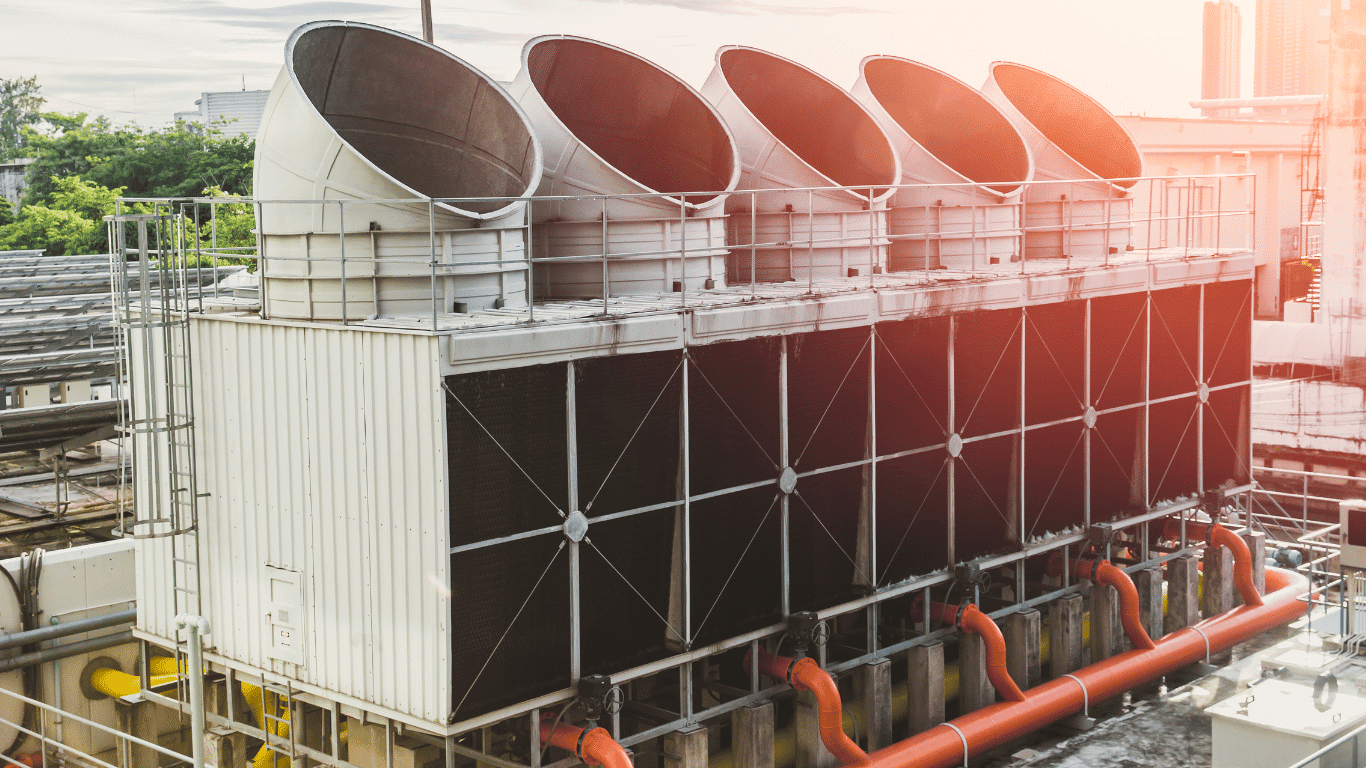
Cooling towers play a central role in managing excess heat across many industrial and HVAC applications. At the heart of this cooling process is a component that often gets overlooked, but it directly shapes how efficiently the system performs. The cooling tower fill helps regulate how water and air interact, making it a critical part of effective heat transfer inside cooling towers.
When we talk about cooling tower fill, we are really talking about the surface where warm water is broken down and exposed to moving air. This interaction allows heat to escape efficiently before the water is recirculated. In practice, the right design inside cooling towers can significantly influence system stability, energy use, and overall cooling process performance.
What is Cooling Tower Fill?
Cooling tower fill is a structured material inside a cooling system that helps water release heat more efficiently. It is often referred to as tower fill, and it serves as the internal framework where hot water spreads out and interacts with air. Without it, the cooling process inside a tower would be far less effective, since water would pass through too quickly to lose enough heat.
In most cooling towers, this fill media acts as a critical component that increases contact between water and air. Different designs, known as fill type, influence how water spreads, flows, and breaks into smaller patterns for better cooling. Some systems use splash designs, while others rely on film-based structures depending on performance needs. In every case, the cooling tower fill supports consistent operation by helping the tower manage heat more efficiently and maintain stable system performance over time.
How Cooling Tower Fill Works in Heat Transfer
The cooling tower fill improves heat transfer by slowing down and spreading water flow across a structured surface inside the tower. This allows warm water to stay in contact with moving air for a longer period, which is essential in any effective cooling process. As water spreads over the fill, it breaks into thinner layers or droplets, depending on the design, which helps release heat more efficiently.
The key advantage of cooling tower fill is how it increases surface area without increasing the size of the system. More surface area means more opportunity for heat exchange, which directly improves efficiency. As air moves through the fill media, it carries away excess heat from the water, helping the system maintain stable operating conditions. In well-designed cooling towers, this interaction between water and air is what drives consistent performance and reliable cooling outcomes.
Types of Cooling Tower Fill
Cooling tower systems generally rely on two main types of fill, and each one influences performance in a different way. The types of fill most commonly used are film-based and splash-based designs. Both are part of the broader cooling tower fill structure, and each supports heat removal by improving how water interacts with air inside the tower.
The first is film fill, which spreads water into thin sheets across the surface to maximize contact. The second is splash fill, which breaks water into droplets as it moves through layers of material. Both approaches help improve the cooling tower fill performance, but they behave differently depending on water quality and system conditions. Film fill is often used for cleaner water applications, while splash fill performs better in systems with higher solids or debris. Understanding these differences helps operators match the right design to their cooling needs.
Film Fill Explained
Film fill is designed to spread water flow into a continuous thin film across closely spaced surfaces inside the cooling tower. This structure allows warm water to move in a controlled pattern instead of dropping straight through the system. As part of the cooling tower fill, it creates a stable path where water can slow down and interact more effectively with air.
The main advantage of film fill is how it increases surface area through the formation of thin sheets of water. This expanded exposure allows more heat to transfer out of the water during its descent. In a well-performing cooling tower fill system, this design supports efficient cooling by maximizing contact time between air and water. However, it works best with cleaner water, since debris or scaling can disrupt the thin film and reduce performance over time.
Splash Fill Explained
Splash fill works by breaking water flow into a series of droplets as it moves through structured layers inside the cooling tower. Instead of forming a continuous sheet, the water hits internal surfaces and disperses, creating multiple points of contact with air. This design is a common part of cooling tower fill systems that need flexibility in handling varying water conditions.
Inside the structure, horizontal bars or similar components repeatedly interrupt the falling water, turning it into small droplets that increase exposure to air. This constant breakup improves heat release even when water quality is less than ideal. The cooling tower fill in splash designs performs well in environments where solids or debris may be present, since it is less likely to clog compared to film-based systems. While it may not always match the efficiency of film fill, it offers reliable operation in demanding conditions.
Materials Used in Cooling Tower Fill
The performance of a cooling tower often depends on the material used in its internal structure. Most modern systems rely on durable fill media made from polyvinyl chloride (PVC) because it handles moisture, temperature changes, and chemical exposure well. PVC has become a standard choice in many cooling tower fill applications due to its balance of strength and resistance to degradation.
In some older or specialized systems, wood is still used, although it requires more maintenance and has a shorter service life compared to synthetic options. The choice of material directly affects how long the cooling tower fill can operate efficiently before replacement is needed. PVC-based designs generally offer better consistency in performance and longer durability, especially in continuous industrial operation. Selecting the right material helps ensure the cooling tower maintains stable cooling performance over time while reducing unplanned downtime.
Water Quality Impact on Fill Performance
Water quality plays a direct role in how well cooling towers operate over time. When dirty water circulates through the system, it carries debris, dissolved solids, and contaminants that gradually build up on fill media surfaces. This buildup restricts water distribution and reduces the effectiveness of the cooling tower fill, which leads to lower heat exchange efficiency and uneven flow patterns.
As scaling and fouling increase, system performance begins to decline across the entire cooling cycle. In cooling towers, even minor water quality issues can reduce contact between air and water, limiting overall heat rejection. Over time, this can affect energy use, equipment reliability, and operating stability. That is why consistent water quality control is essential for maintaining long-term efficiency in cooling tower fill systems.
For a deeper look at how treatment strategies support performance and protect system components, you can explore our overview on industrial water treatment systems here.
Fouling and Operational Challenges
Fouling is one of the most common issues that affects cooling tower performance, especially when dirty water and high solids content circulate through the system. Over time, debris settles on internal surfaces and within the fill, restricting water distribution and disrupting the normal cooling process. Once buildup begins, it does not stay localized, it gradually spreads and affects overall system behavior.
As fouling increases, the efficiency of heat exchange drops because water can no longer spread evenly across the fill media. This reduces air-to-water contact and weakens the cooling effect. In cooling towers, operators often notice higher energy consumption and unstable temperature control when fouling is present. If left unmanaged, these conditions place unnecessary stress on the system and shorten equipment lifespan. Regular inspection and water management help prevent these operational challenges from escalating.
Tower Design and Airflow Considerations
Tower design plays a major role in how effectively cooling towers perform, especially when it comes to how air flow interacts with internal components. The way air enters, moves, and exits the system directly influences the behavior of the cooling process. In well-designed systems, air moves evenly through the fill, allowing consistent contact with water and supporting stable heat rejection.
Another key factor is how the structure creates a large surface area for interaction between air and water. This design supports evaporation, which is the core mechanism behind the cooling effect. When tower design is optimized, it ensures that air passes uniformly through the cooling towers, improving energy transfer and reducing inefficiencies. Poor airflow distribution, on the other hand, can create dead zones that limit performance and strain system operation. Proper design alignment helps maintain balanced cooling under varying loads.
Maintenance, Cleaning, and Service Life
Cooling tower performance depends heavily on consistent maintenance. Over time, the fill collects scale, biological growth, and suspended solids that interfere with normal operation. When buildup forms on the cooling tower fill, it limits water distribution and reduces heat transfer efficiency. Operators often notice reduced cooling capacity or uneven performance when these issues are left unchecked.
Regular cleaning and inspection help extend the service life of the system while maintaining optimal performance. A well-maintained fill structure supports stable water flow, improves efficiency, and strengthens overall system reliability. Teams should watch for early signs of fouling and address them before they escalate into larger problems. If you want a closer look at best practices and maintenance strategies, you can explore our guide on cooling tower cleaning. Keeping a proactive maintenance routine in place ensures your cooling tower fill continues to perform consistently under changing operating conditions.
Supporting Cooling Tower Performance with the Right Approach
Keeping cooling towers running at high efficiency takes more than selecting the right fill. It requires a complete approach that considers water chemistry, system design, and ongoing support. At ProChem, we work closely with facility teams to evaluate how their systems operate under real conditions, then align treatment strategies that protect the fill and improve overall efficiency. The goal is to maintain stable performance while reducing risks tied to scaling, fouling, and inconsistent water quality.
From experience, the systems that perform best are the ones that stay consistent with monitoring, cleaning, and proactive adjustments. That is where long-term reliability is built. If you are looking to improve your cooling tower fill performance or address recurring issues in your system, you can explore our operations and maintenance services or connect with our team to review your current setup and identify practical next steps.
Frequently Asked Questions (FAQ)
How does cooling tower fill media improve system efficiency?
Cooling tower fill media improves performance by increasing the water surface area available for heat exchange. As circulating water spreads across the structure, it allows more contact with air, which supports evaporation and better cooling.
This process helps systems reach peak efficiency while maintaining stable operation across varying loads.
What role do flow rates play in cooling tower performance?
Flow rates directly affect how well water distributes across the fill. When flow rates are too high, water may not spread evenly, reducing maximum contact with air.
When properly balanced, the system allows circulating water to move efficiently through the cooling tower fill media, improving heat removal and overall cooling consistency.
Can cooling tower fill help reduce water loss?
Cooling tower fill supports efficient evaporation, but uncontrolled conditions can increase water loss. A well-designed system manages airflow and water distribution to balance evaporation with system demand.
This helps maintain cost effective operation while preventing unnecessary loss of treated water.
Is cooling tower fill suitable for high temperature environments?
Yes, cooling tower fill is designed to perform in high temperature environments where rapid heat removal is required. The structure helps create thin flowing sheets of water or droplets, depending on the design, which improves heat dissipation even under demanding thermal conditions.
How is cooling tower fill used in air conditioning systems?
In large air conditioning systems, cooling tower fill helps manage heat from circulating water by maximizing exposure to air. This interaction improves evaporation and ensures efficient cooling across the system.
When properly maintained, the fill supports reliable performance and consistent temperature control in HVAC applications.
