
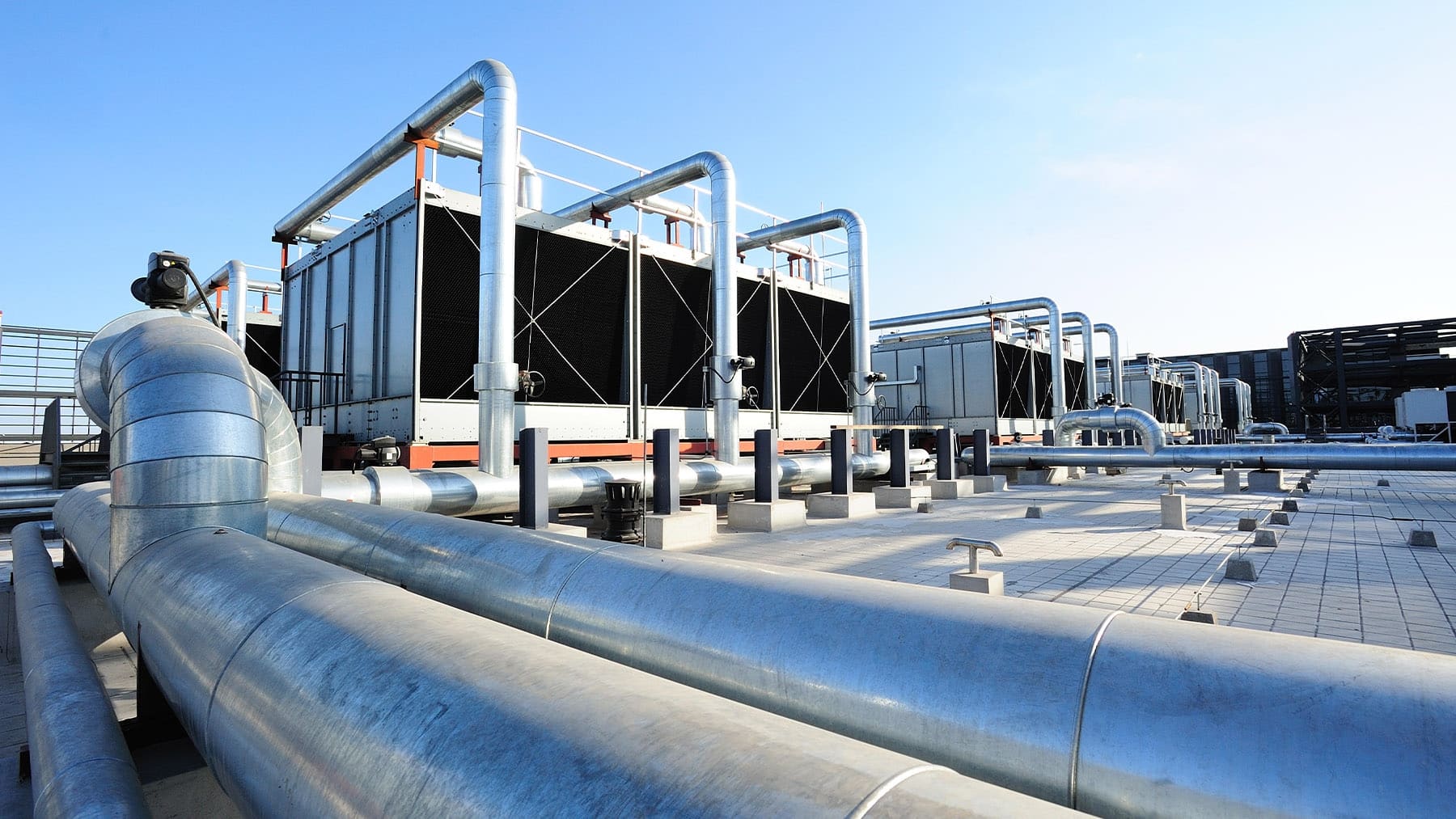
Modern data centers support everything from cloud computing to the growing demands of AI workloads, and reliable cooling plays a major role in keeping them online. That makes data center water treatment an essential part of daily operations, not just for protecting equipment, but also for maintaining consistent performance and managing water resources responsibly. Throughout this guide, we’ll explain how effective water treatment helps cooling systems operate efficiently while supporting long-term reliability and sustainability.
Why Water Treatment Matters in Modern Data Centers
Modern data centers depend on reliable cooling systems to keep servers, storage, and networking equipment operating within safe temperatures. As cloud services continue to expand and AI applications place greater demands on computing infrastructure, data center cooling has become more critical than ever. Many facilities rely on cooling water because it removes heat efficiently, allowing equipment to operate continuously while supporting stable system performance.
Every cooling system depends on effective heat transfer. When water carries heat away from servers and supporting equipment, it helps maintain the heat transfer efficiency needed to prevent overheating and unexpected downtime. Strong cooling efficiency also helps reduce energy consumption because equipment does not have to work harder to maintain target temperatures. For this reason, the quality of data center water directly affects the reliability and efficiency of day-to-day data center operations.
Untreated water creates challenges that many operators eventually encounter. Minerals can form scale on heat exchange surfaces, corrosion can weaken system components, and biological contamination can restrict water flow. Each of these issues reduces cooling performance and increases maintenance requirements. We always recommend treating water as a critical operating asset instead of an afterthought. A proactive water treatment strategy protects equipment, supports reliable cooling, and helps facilities maintain consistent performance as computing demands continue to grow.
Common Water Quality Challenges That Affect Cooling Performance
Good water quality is one of the biggest factors affecting the reliability of cooling equipment. Even small changes in water chemistry can reduce efficiency over time. High levels of dissolved solids, excessive hardness, and elevated total dissolved solids can leave mineral deposits on heat exchangers and piping. As scale builds, it acts as an insulating layer that reduces heat transfer, forcing cooling equipment to work harder to achieve the same results. Regular testing helps operators catch these changes early, before they become costly maintenance issues.
Corrosion presents another challenge that often develops gradually. Poor water chemistry can attack metal surfaces, weaken system components, and shorten equipment life. Effective corrosion control combines routine monitoring with carefully selected corrosion inhibitors that match the system’s operating conditions. At the same time, suspended solids can circulate through cooling towers, settle in low-flow areas, and clog critical components. We encourage operators to monitor these conditions consistently because stable water chemistry supports reliable operation and extends equipment life. If you’re interested in establishing a stronger monitoring program, our guide on water quality monitoring explains the key parameters facilities should track.
Water also creates the right environment for microorganisms if it is not managed properly. Biological growth, microbial growth, and microbial contamination can form biofilms that restrict flow and reduce cooling efficiency while increasing corrosion risks. Strong microbiological control keeps these organisms under control through routine testing, cleaning, and appropriate treatment programs. Ultimately, proper water treatment addresses all of these challenges together, helping facilities maintain optimal performance instead of reacting to avoidable problems after they occur.
Core Technologies Used in Data Center Water Treatment
Effective data center water treatment combines several treatment technologies that work together to protect cooling systems. Filtration is often the first line of defense because it helps remove suspended solids before they circulate through pumps, valves, and heat transfer equipment. Many facilities also use water treatment processes such as water softening to reduce hardness minerals that contribute to scale formation. Choosing the right combination of water treatment solutions depends on the incoming water source, cooling design, and overall operating goals.
When higher water purity is required, reverse osmosis becomes an important part of the treatment strategy. Modern reverse osmosis systems remove a wide range of dissolved minerals and contaminants, producing high-quality makeup water that helps reduce scaling and supports consistent cooling performance. In many applications, membrane filtration works alongside reverse osmosis to improve water quality before it enters the cooling loop or reuse system. If you’d like a closer look at how these systems operate, our guide to industrial reverse osmosis systems explains where they fit into industrial water treatment programs.
Technology alone is not enough without proper control. Chemical treatment helps manage scale, corrosion, and biological activity while optimizing chemical consumption based on actual operating conditions instead of guesswork. At the same time, continuous monitoring allows operators to track changes in conductivity, pH, and other critical parameters across their water systems. We recommend reviewing this data regularly because small adjustments made early often prevent larger problems later. Together, these technologies create a more reliable treatment program that supports long-term equipment protection and efficient operation.
Water Reuse Is Becoming a Competitive Advantage
Growing computing demands and the rapid expansion of AI data centers have increased the focus on both energy consumption and responsible water management. Many facilities operate in areas where local water supplies face increasing pressure, making water reuse an important part of long-term planning. Instead of relying entirely on fresh water, operators are evaluating reclaimed water, treated wastewater, and other non potable water sources to support cooling operations while improving water usage effectiveness. This approach strengthens the connection between the energy water nexus, helping facilities balance cooling performance with sustainability goals.
Modern wastewater treatment makes these strategies practical. Depending on site requirements, facilities may use municipal wastewater, industrial wastewater, or other municipal or industrial wastewater sources that have been treated to meet cooling water specifications. Many organizations also invest in on site treatment to recover cooling tower blowdown and process water for wastewater reuse. In some applications, recycled wastewater can significantly reduce freshwater demand while lowering operating costs and minimizing the environmental impact associated with water consumption and disposal.
Regulations remain an important part of every reuse project. For example, California Title 22 establishes requirements for many recycled water applications, while facilities that release wastewater discharge may need to comply with NPDES permitting requirements. Local regulations also determine how reclaimed water can be stored, treated, and reused. We recommend reviewing these requirements early in the planning process because a well-designed reuse strategy supports compliance, strengthens water conservation efforts, and helps facilities prepare for future growth without placing unnecessary strain on available water resources.
Practical Steps for Better Cooling Water Management
Successful water management starts with consistent attention to daily operating conditions. We encourage data center operators to monitor water quality trends instead of waiting for performance issues to appear. Regular testing of cooling water, along with routine inspections of cooling towers, helps identify changes before they affect equipment reliability. Reviewing these trends over time also makes it easier to support continuous improvement and maintain stable cooling operations.
Another important step is optimizing cycles of concentration and reviewing the quality of makeup water. Running too few cycles increases water use, while pushing cycles too high can increase the risk of scale and corrosion. Operators should also monitor blowdown volumes to confirm the system is removing excess contaminants without wasting water. These practical adjustments improve thermal efficiency, protect system integrity, and contribute to more efficient operations throughout the facility. As a result, facilities often see better energy efficiency and improved power usage effectiveness over the long term.
Finally, treat cooling water management as an ongoing process instead of a one-time project. Regular inspections, performance reviews, and preventive maintenance keep systems operating as conditions change. If you’re looking for additional guidance on treatment strategies and best practices, explore our guide to cooling tower water treatment. Small improvements made consistently can have a lasting impact on equipment reliability, operating costs, and long-term cooling performance.
Building a Long-Term Water Strategy
Reliable data center water treatment is not built around a single technology or chemical program. It comes from understanding how your water source, data center cooling systems, operating conditions, and long-term growth plans work together. As cooling demands continue to increase, facilities that invest in proactive planning are better prepared to maintain consistent system performance, reduce unexpected maintenance, and use water more responsibly. We recommend reviewing treatment programs regularly because even small operational changes can affect cooling efficiency and equipment reliability over time.
Every facility has different cooling requirements, water sources, and sustainability objectives, which is why there is no one-size-fits-all approach. Working with experienced specialists helps you evaluate your current system, identify opportunities for improvement, and implement water treatment solutions that fit your operational goals. Assessing your current strategy or preparing for future expansion? ProChem can help you develop a practical data center water treatment program that strengthens reliability, improves water efficiency, and keeps your cooling systems operating with confidence for years to come.
