
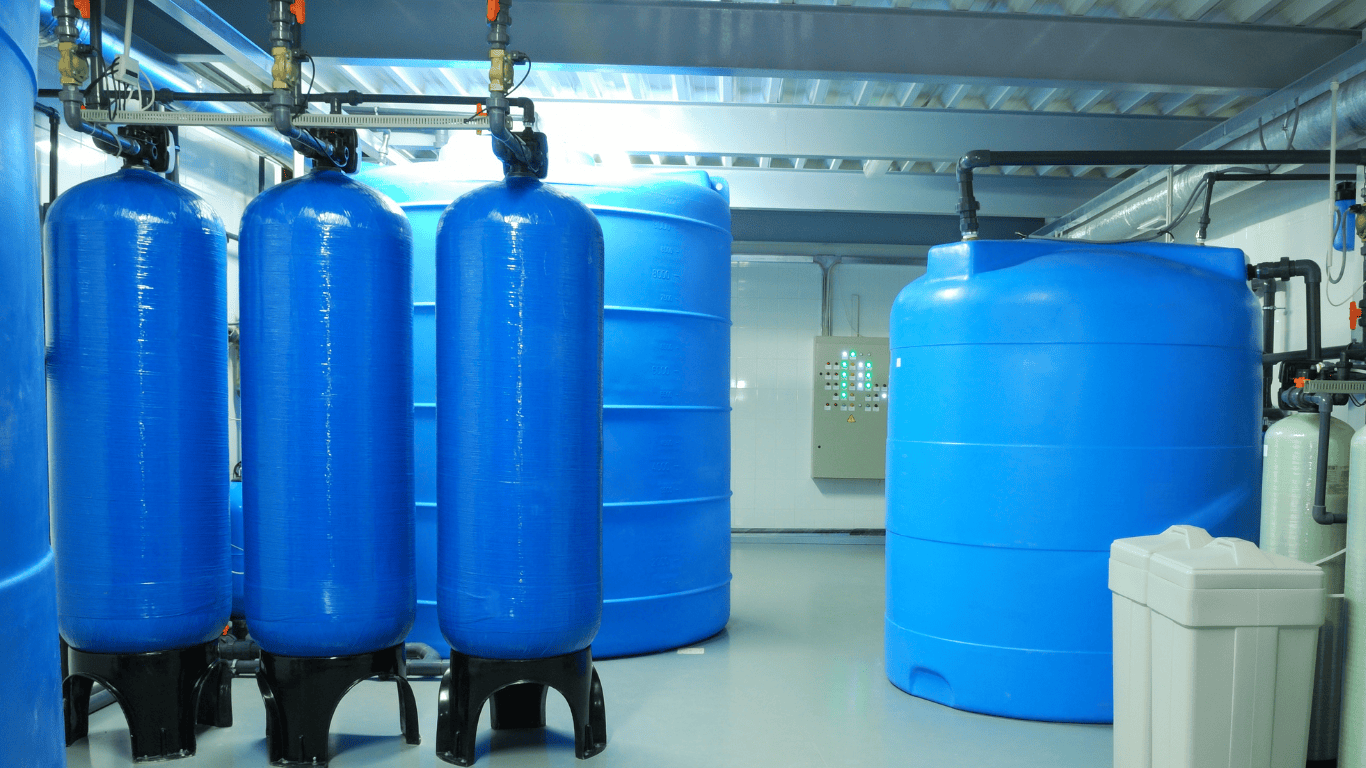
Water softener regeneration is what keeps your water softener working the way it should. Most systems handle water hardness quietly in the background, but over time, they need to reset to stay effective. Without this process, the system gradually loses its ability to treat hard water. Understanding how regeneration supports your system helps you maintain consistent performance and avoid unnecessary issues down the line.
What Happens Inside a Water Softener
Inside a water softener, the softening process focuses on removing hardness minerals from hard water before it reaches your tap. These minerals, mainly calcium and magnesium, exist as calcium and magnesium ions that cause scaling and buildup in your system.
As water flows through the tank, it passes over resin beads that are coated with sodium ions. These beads act as the working surface of the system. They attract and hold onto the calcium and magnesium ions, effectively pulling them out of the water. At the same time, sodium ions are released into the water in exchange.
Over time, the resin beads become saturated with hardness minerals, which is where regeneration becomes necessary.
What Is Water Softener Regeneration
Water softener regeneration is the process that restores the system’s ability to remove hardness minerals after the resin becomes saturated. You can think of it as a reset. Over time, the resin beads inside the tank fill up with calcium and magnesium, and they can no longer do their job effectively.
During the regeneration process, the system runs a controlled regeneration cycle that cleans and recharges the resin. A concentrated solution is used to push the trapped minerals off the beads, allowing them to regain their original function. This full water softener regeneration cycle prepares the system to treat hard water again.
Once the system completes the cycle, the resin is ready to regenerate efficiently and continue delivering consistent performance.
Step-by-Step Regeneration Cycle
A water softener regeneration cycle follows a set sequence inside the tank, and understanding each stage helps operators monitor performance and catch issues early. The process begins with backwash, where the system reverses water flow to loosen and flush out trapped debris, preparing the resin bed for cleaning. Next comes the brine draw stage, where a brine solution from the brine tank flows through the system. This brine, formed from salt and water, carries a high concentration of sodium that pushes hardness minerals off the resin beads.
After that, the system moves into the rinse stage. Clean water passes through the tank to remove any remaining brine and minerals, ensuring everything is fully flushed and sent to draining. The final step is refill, where the tank is filled with the exact amount of water needed to dissolve salt and prepare a fresh brine solution for the next cycle. Each step plays a role in restoring the system to normal operation.
Why Regeneration Timing Matters
Regeneration timing directly affects how well your system performs day to day. Many systems rely on either a fixed schedule or demand regeneration, and the difference matters more than most expect. Timed systems regenerate at set intervals, regardless of water usage, which can lead to unnecessary cycles or missed treatment when demand is higher.
Demand regeneration adjusts based on how much water the system actually processes. It tracks gallon usage and capacity to determine when the resin is nearing exhaustion. This approach accounts for several factors, including water hardness and daily consumption patterns. When you rely on guesswork instead of accurate data, the system either regenerates too early or too late, both of which reduce efficiency and overall performance.
Factors That Affect Regeneration Efficiency
Several factors directly influence how efficient your regeneration process will be. Water hardness levels play a big role, since higher hardness requires more frequent and more thorough regeneration. If the system is not adjusted to match these conditions, performance starts to drop. The salt level in the brine tank also needs close attention. Too little salt prevents the system from creating a high concentration solution, while too much can lead to waste and inconsistent results.
Operators should also pay attention to how the system measures and delivers the exact amount of brine during each cycle. When this balance is off, the resin does not fully recharge. Keeping these variables in check helps the system regenerate properly and maintain consistent efficiency over time.
Common Issues During Regeneration
Most operators notice problems during regeneration through small changes in performance. One of the first signs is inconsistent softening, which often points to low salt or poor brine formation. When the salt supply runs low or bridges inside the tank, the system cannot regenerate properly. In some cases, resin beads become coated with iron or other contaminants, which blocks proper ion exchange and reduces effectiveness over time.
You may also notice the system regenerating too frequently or not often enough. These patterns usually indicate a settings issue or a deeper mechanical problem. If left unaddressed, these issues eventually lead to reduced efficiency and higher operating costs. When adjustments no longer solve the problem, it is best to schedule a service call to prevent further system strain.
Supporting Your System with the Right Setup
A well-performing water system starts with proper design and setup. The way you install and configure your unit directly affects how consistently it regenerates and how efficiently it operates over time. Many facilities overlook this early stage, but choosing the right solution makes a measurable difference in long-term performance.
If you are working with ion exchange systems, it helps to understand how the full process fits together. You can explore this further within our ion exchange systems page. For a deeper look at how cycles operate in real conditions, this guide on water softener regeneration cycle explains the full process clearly. When selecting or upgrading equipment, proper sizing also matters, especially for industrial applications like industrial water softener.
The goal is to align your system design, service approach, and operating conditions so regeneration remains consistent and reliable.
Practical Tips to Keep Regeneration Consistent
Keeping your system reliable often comes down to simple, consistent habits. Operators should regularly check the salt level in the brine tank to ensure the system can properly regenerate when needed. Low salt is one of the most common reasons performance drops, so it helps to make this a weekly routine. It also matters to monitor how the system regenerate cycle behaves, especially if water usage changes over time.
Pay attention to unusual shifts in water hardness or regeneration frequency, as these often signal early issues. A quick service check can prevent small problems from turning into downtime. Want to keep your system running efficiently and avoid unexpected disruptions? It’s best to work with a team that understands how to fine-tune and maintain performance. Talk to ProChem to review your setup and keep your water softener operating at its best.
