
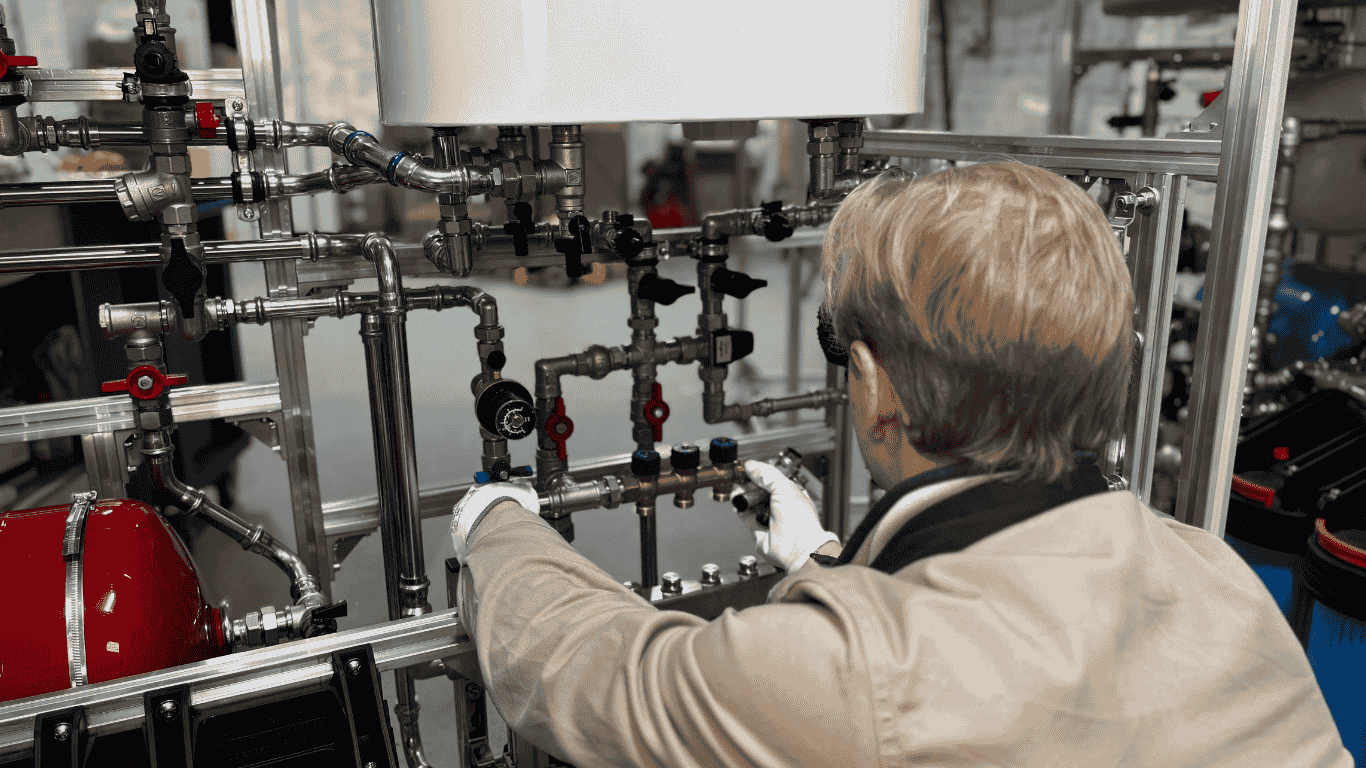
Clean-in-place is one of those behind-the-scenes processes that keeps industrial facilities running smoothly. Instead of taking equipment apart for manual cleaning, clean-in-place systems allow operators to sanitize process equipment efficiently and safely, without interrupting production. Consistent cleaning is critical to maintaining product quality, preventing contamination, and extending the life of your machinery whether you’re managing tanks, piping, or heat exchangers.In our experience, teams that understand the fundamentals of clean-in-place not only save time and reduce chemical use, but also catch small issues before they become major problems.
What Is Clean-In-Place?
Clean-in-place refers to a method of cleaning process equipment without taking it apart, making it a game-changer for industrial operations. CIP systems circulate cleaning solutions through tanks, pipes, and other components to reach every interior surface, ensuring thorough sanitation. These systems can be fully automated, reducing the risk of human error while maintaining consistent cleaning performance. From simple tanks to complex processing lines, well-designed CIP setups save time, improve safety, and keep products free from contamination. To learn more about different types of systems, check out our overview of treatment systems.
How CIP Works: The Basics
A clean-in-place system follows a carefully designed cleaning cycle to ensure every surface is properly sanitized. A typical cip cycle starts with a pre rinse, flushing out loose debris and preparing the interior surfaces for the main cleaning step. Next, cleaning solutions or cleaning fluids are circulated through the system to remove residues, oils, and other contaminants. Finally, a final rinse washes away any remaining chemicals, leaving equipment ready for production. Each step is timed and monitored to maintain consistency, protect product quality, and make sure the process equipment stays in top condition.
CIP Components and Equipment
A clean-in-place system relies on several key components to reach every corner of your process equipment. Spray balls and dynamic spray devices direct cleaning fluids over interior surfaces, ensuring tanks, piping systems, and heat exchangers are thoroughly sanitized. Stainless steel surfaces are commonly used for their durability and ease of cleaning, while well-designed piping ensures consistent flow of cleaning solutions throughout the system. Properly maintained cip equipment not only improves cleaning efficiency but also protects product quality and extends the life of your machinery. Paying attention to these components makes all the difference in effective CIP operations.
Cleaning Agents and Chemicals
The effectiveness of a clean-in-place system depends on the right selection and use of cleaning chemicals. Acid solutions and alkalis remove mineral deposits and organic residues, while sanitizing solutions eliminate harmful microorganisms on product contact surfaces. Maintaining proper chemical concentration is critical to achieving consistent results without wasting resources or risking equipment damage. Most cip solutions are carefully formulated to balance cleaning power with safety and efficiency. For guidance on selecting the right cleaning agents for your facility, see our custom chemical programs.
Automation vs Manual Cleaning
Automated cip systems offer a major advantage over labor-intensive manual cleaning. With automated methods, cleaning cycles are precisely controlled, reducing the risk of human error while improving consistency and efficiency. Manual cleaning, while sometimes necessary for hard-to-reach areas, is more time-consuming and increases the exposure of employees to chemicals and hot fluids. Prioritizing personnel safety and employee safety is essential, and automated cip can help protect your team while maintaining high cleaning standards. In many facilities, combining both approaches strategically ensures both thorough cleaning and safe operations.
Industries and Applications
Clean-in-place systems are widely used across industries where hygiene and product quality are critical. In the food industry and dairy industry, CIP ensures that tanks, piping, and processing lines remain free of residues that could compromise safety. Beverage markets rely on these systems to maintain consistent quality while minimizing downtime. Pharmaceutical manufacturing and biopharmaceutical processes use CIP to meet strict regulatory standards for sanitized equipment. Across modern food processing plants, well-designed systems allow operators to clean efficiently, reduce chemical use, and maintain production without disassembly of equipment.
Benefits of a Well-Designed CIP System
A well-designed clean-in-place system delivers consistent cleaning efficiency while minimizing resource use. Properly planned cycles reduce chemical costs and require fewer chemicals, protecting both your budget and the environment. Maintaining water quality and the right flow through interior surfaces ensures that product contact surfaces remain sanitary and free of residues. Beyond safety and compliance, efficient CIP operations extend the life of equipment and reduce downtime. Teams often notice that facilities with optimized systems spend less time troubleshooting cleaning issues and more time focused on smooth production.
CIP Validation and Quality Control
Cleaning validation is a crucial step in ensuring your clean-in-place system consistently delivers safe, sanitized equipment. Operators should regularly verify cleaning by monitoring critical parameters such as temperature, flow, and chemical concentration. A thorough sanitizing rinse removes any remaining residues and prepares equipment for production. Maintaining strong quality control practices not only protects product integrity but also helps facilities meet regulatory requirements. Teams that prioritize validation often catch minor issues early, preventing downtime and safeguarding both equipment and output.
CIP Reuse and Sustainability
Modern clean-in-place systems can incorporate reuse systems that maximize water and energy efficiency. By recovering and recirculating cleaning fluids, facilities reduce chemical consumption and lower environmental impact. Compressed air and optimized cleaning media help enhance circulation, ensuring that interior surfaces receive thorough cleaning while minimizing waste. Implementing these practices not only supports sustainability goals but also lowers operational costs. For strategies on improving water efficiency in industrial processes, explore our guide on water recycling systems.
Tips for Effective CIP Operations
Successful clean-in-place operations rely on attention to detail from operators. Teams should watch for spray ball or other spray device clogging, which can reduce cleaning coverage and compromise interior surfaces. Regularly checking chemical concentration ensures that cleaning solutions remain effective without wasting chemicals or damaging equipment. Inspecting process equipment before and after cycles helps identify buildup or wear early, keeping CIP operations consistent. Small, proactive steps like these make a significant difference in achieving effective cleaning while maintaining equipment longevity and safeguarding product quality.
Common CIP Challenges
Even with well-designed systems, clean-in-place operations face challenges. Hard-to-reach areas and complex process lines can harbor residues if cleaning requirements aren’t carefully followed. Scale deposits, chemical residues, and fluctuations in temperature can reduce cleaning efficiency and compromise interior surfaces. Personnel error, such as incorrect chemical concentration or skipped pre-rinse steps, can further impact results. Regular monitoring, training, and inspection help teams address these issues early, ensuring that process equipment stays sanitary and operations remain consistent.
Maintenance of CIP Systems
Regular maintenance is key to keeping a typical cip system running efficiently. Static spray balls should be cleaned and inspected to prevent clogging, while pumps, valves, and piping require routine checks to ensure proper flow. Inspecting associated fittings helps avoid leaks and uneven cleaning coverage. Proper upkeep of cip equipment not only extends its life but also maintains consistent cleaning performance. Operators who schedule preventive maintenance often catch small issues before they affect operations, reducing downtime and supporting reliable sanitation across the facility.
Integration with Processing Systems
Clean-in-place systems work best when fully integrated with the processing system. Proper connection to heat exchangers, tanks, pipelines, and other equipment ensures that cleaning solutions reach all interior surfaces consistently. Sensors and flow controls help monitor performance, maintaining the right temperatures and chemical concentrations throughout the system. Integrating CIP with the broader processing system not only improves cleaning efficiency but also reduces downtime, protects product quality, and extends equipment life. Operators who leverage these connections often spot potential issues before they escalate.
CIP in Food and Pharmaceutical Compliance
Clean-in-place systems play a critical role in meeting regulatory standards in both food and pharmaceutical industries. Proper cleaning ensures that food contact surfaces remain free from contaminants, while stainless steel surfaces support durability and sanitation. In pharmaceutical systems, cleaning validation is essential to demonstrate that equipment is consistently sanitized between batches. Adhering to these standards not only protects consumers but also maintains product quality and operational integrity. Teams that follow strict compliance protocols reduce the risk of recalls and regulatory issues while keeping processes efficient.
Advancements in CIP Technology
Clean-in-place technology continues to evolve, offering more efficient and precise cleaning solutions. Modern systems use dynamic spray devices and automated cip to ensure complete coverage of all interior surfaces. Sensors monitor flow, temperature, and chemical concentration in real time, while UV lamps can provide additional sanitization in specialized applications. These advancements allow clean in place systems to operate with fewer chemicals, reduced water usage, and improved consistency. Facilities that adopt these technologies benefit from higher cleaning efficiency and greater reliability across their operations.
Choosing the Right CIP System
Selecting a well-designed cip system starts with understanding your facility’s cleaning requirements and the complexity of your processing plants. Consider chemical programs that match your operational needs, as well as reuse systems that improve water and energy efficiency. A clean-in-place system should provide consistent coverage for all equipment while minimizing downtime and chemical use. Teams that evaluate these factors carefully often achieve both reliable sanitation and cost savings, ensuring that production runs smoothly without compromising product quality. Looking to optimize your cleaning processes and improve efficiency across your facility? Our team can help design or fine-tune a CIP system tailored to your needs. Partner with us today to discuss solutions that save time, reduce costs, and keep your operations running safely.
Frequently Asked Questions (FAQs)
How do CIP systems differ from manual cleaning?
Clean-in-place CIP systems allow operators to clean process equipment without disassembly, using automated cycles to circulate cleaning solutions through tanks, piping, and other components. Manual cleaning requires labor-intensive scrubbing, rinsing, and handling of cleaning agents, which increases downtime and the risk of human error. Most CIP systems provide consistent cleaning coverage while improving personnel safety and protecting product quality.
What are common CIP cleaning challenges?
Even with well-designed CIP equipment, teams often encounter hard-to-reach areas, residue buildup on internal surfaces, and scale deposits in process piping. Variations in chemical concentration, temperature, or flow can affect cleaning efficiency, while improper cleaning procedures may leave traces of riboflavin solution or other food products behind. Regular monitoring and inspection help prevent these issues.
How often should spray balls and other cleaning devices be inspected?
Spray balls and dynamic spray devices are critical to effective CIP operations. Operators should check them before each cleaning cycle for clogging, wear, or damage. Ensuring these devices function properly guarantees full coverage of internal surfaces and consistent cleaning across the system.
Can CIP cleaning solutions be reused?
Yes, many facilities incorporate reuse systems to recirculate cleaning fluids during multiple cycles, reducing water usage, chemical costs, and environmental impact. Proper monitoring of chemical concentration and contamination levels ensures that reused solutions remain safe and effective for subsequent CIP cycles.
How do you verify effective cleaning?
Effective CIP cleaning is verified through observation of critical parameters, chemical concentration checks, and sanitizing rinses. Some processing industries also perform routine swab tests or chemical analysis to ensure internal surfaces and clean machinery are free of residues. Maintaining records of cleaning validation supports compliance and quality control.
