
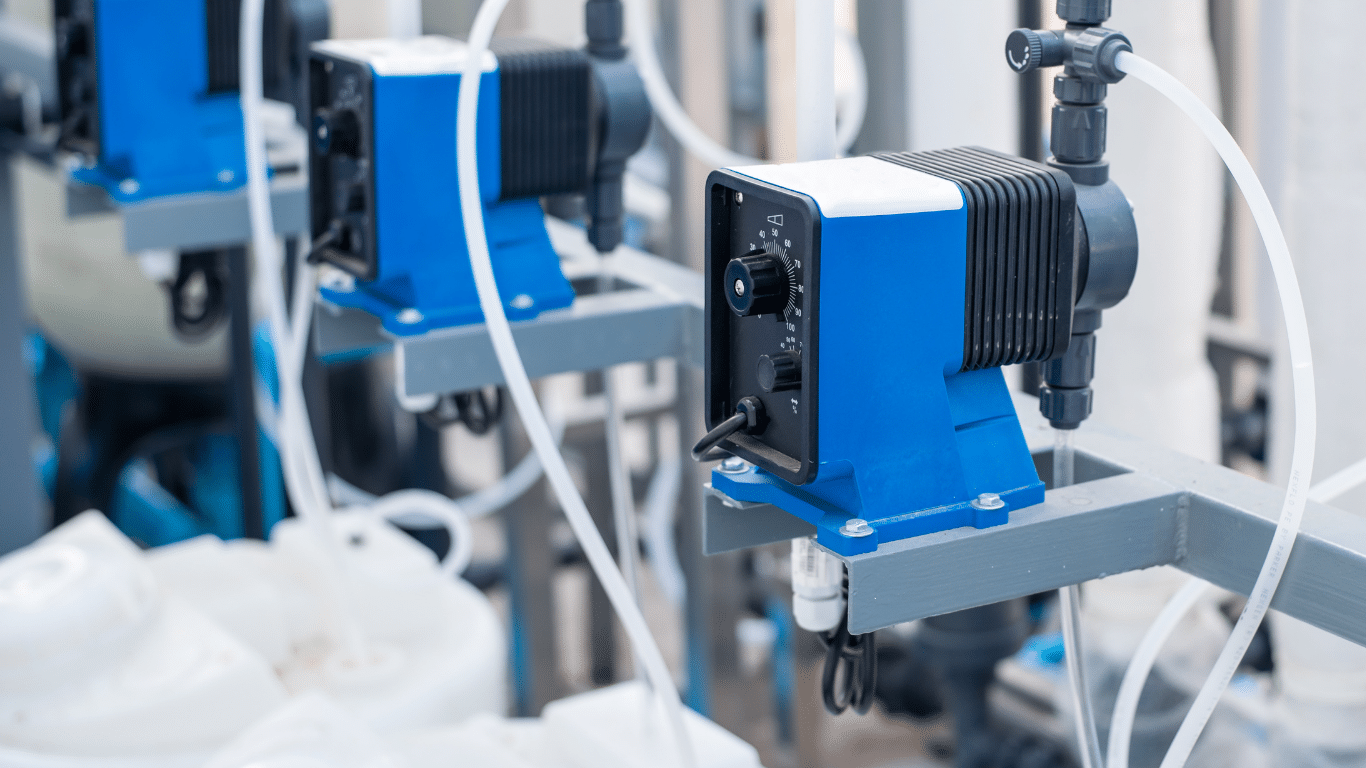
A chemical dosing pump is a vital tool in water treatment, designed to deliver precise amounts of chemicals into a system. These pumps help facilities maintain safe, high-quality water. Operators often rely on chemical dosing pumps to handle complex processes efficiently, ensuring consistent results without guesswork or wasted chemicals. Understanding their role is the first step toward better water management.
What is a Chemical Dosing Pump?
A chemical dosing pump is a specialized device designed to inject small, precise amounts of chemicals into a fluid system. Its primary purpose is accurate dosing, allowing operators to maintain proper chemical levels without over or under treating the system. These pumps are closely related to chemical metering pumps and chemical injection pumps, sharing the goal of controlled, consistent delivery. Dosing pumps are widely used across water treatment applications, ensuring that disinfection, pH adjustment, and other chemical processes operate efficiently and safely.
Key Components and Design Features
Understanding a chemical dosing pump starts with its key components. Most pumps feature a diaphragm that moves back and forth to create suction and discharge, working with an outlet valve to control flow. The stroke length determines how much chemical is delivered with each cycle, while the liquid end ensures safe chemical handling. Many dosing pumps operate as positive displacement pumps, providing consistent output regardless of system pressure. A control mechanism, whether manual or electronic, allows operators to adjust flow rates precisely, making these pumps reliable for accurate chemical dosing in water treatment systems.
How Chemical Dosing Pumps Work
A chemical dosing pump works by drawing fluid into the pump during the suction stroke, pressurizing it, and then discharging it through the outlet. This cycle repeats continuously, allowing precise control over the amount of chemical injected. Operators can adjust the flow rate using manual, mechanical, or electronic control mechanisms, ensuring accurate dosing for each application. The pump’s design guarantees that even small amounts of fluid are delivered consistently, making it ideal for water treatment processes where precision and reliability are critical.
Applications in Water Treatment and Wastewater
Chemical dosing pumps play a crucial role in both municipal and industrial water treatment applications. They ensure precise chemical injection for disinfection, pH adjustment, and controlling scaling or corrosion in water systems. In wastewater treatment, dosing pumps help introduce coagulants, flocculants, and other treatment chemicals accurately, improving process efficiency and compliance with environmental standards. Operators often rely on these pumps for municipal applications where consistent water quality is essential. Properly applied, chemical dosing pumps reduce chemical waste, improve safety, and maintain system performance. Learn more about effective water treatment systems here.
Industries and Processes Using Chemical Dosing Pumps
Chemical dosing pumps are highly versatile, serving a wide range of industries and dosing applications. In industrial settings, they help manage water treatment, cooling systems, and process chemicals efficiently. Agricultural operations rely on dosing pumps for precise fertilizer and nutrient injection, improving crop yields while minimizing waste.
In power generation and mining, these pumps ensure consistent chemical treatment for boilers, cooling towers, and process water. The oil industry uses them for corrosion control and chemical injection in pipelines. Their adaptability across various processes makes chemical dosing pumps an essential tool for operators seeking reliable and accurate chemical management.
Choosing the Right Chemical Dosing Pump
Selecting the right chemical dosing pump requires attention to several key factors. Capacity and flow rate determine how much chemical the system needs, while maximum pressure and low-pressure capabilities ensure the pump can handle your system conditions. Materials matter too, as they must resist corrosion from the chemicals used. The turndown ratio affects flexibility, allowing operators to adjust dosing without sacrificing accuracy. Teams should watch for signs of over dosing or under dosing, as these can impact water quality and chemical costs. Choosing a pump that balances these factors ensures safe, reliable, and precise operation.
Maintenance and Best Practices
Regular maintenance is essential to keep chemical dosing pumps operating efficiently. Operators should routinely inspect valves, diaphragms, and the overall system to ensure smooth flow and prevent leaks or blockages. Checking the liquid end and calibrating the pump helps maintain accurate chemical dosing, avoiding costly errors or over dosing.
Teams often catch early issues by monitoring performance trends and listening for unusual sounds during operation. Implementing a proactive maintenance routine not only extends the life of your pumps but also ensures consistent, reliable chemical delivery. Learn more about maintaining system performance here.
Advancements in Chemical Dosing Technology
Modern chemical dosing pumps have evolved with electronic and automated controls, offering precise, high-performance operation. Hydraulic systems provide smooth, consistent flow, while mechanical pumps deliver reliable performance in simpler applications.
Popular series such as IX, EZ, LK, and EHE illustrate the range of solutions available for different capacities and system requirements. These advancements allow operators to adjust flow rates easily, monitor dosing accuracy in real time, and reduce manual intervention, making chemical dosing more efficient and adaptable across various industrial and water treatment processes.
Common Challenges and How to Overcome Them
Operators often encounter challenges like over dosing, under dosing, leaks, or inaccurate flow in chemical dosing pumps. Pressure issues, whether low pressure or exceeding maximum pressure, can affect accuracy and overall system capability.
Teams can catch early problems by monitoring flow rates, inspecting valves and diaphragms, and following routine maintenance schedules. Regular calibration and timely adjustments help prevent chemical waste and maintain consistent performance. For guidance on optimizing chemical programs and improving dosing accuracy, see our custom chemical solutions.
Chemical Dosing Pump Solutions at ProChem Inc.
At ProChem Inc., we guide operators in selecting, installing, and optimizing chemical dosing pumps for water and wastewater treatment systems. Our team helps tailor chemical programs to meet specific water quality goals, ensuring accurate dosing and efficient operation. Starting from system evaluation to ongoing support, we provide solutions that balance performance, safety, and cost.
Looking to improve chemical dosing accuracy and reliability? Our experts can help you design a program that keeps your processes running smoothly.
