
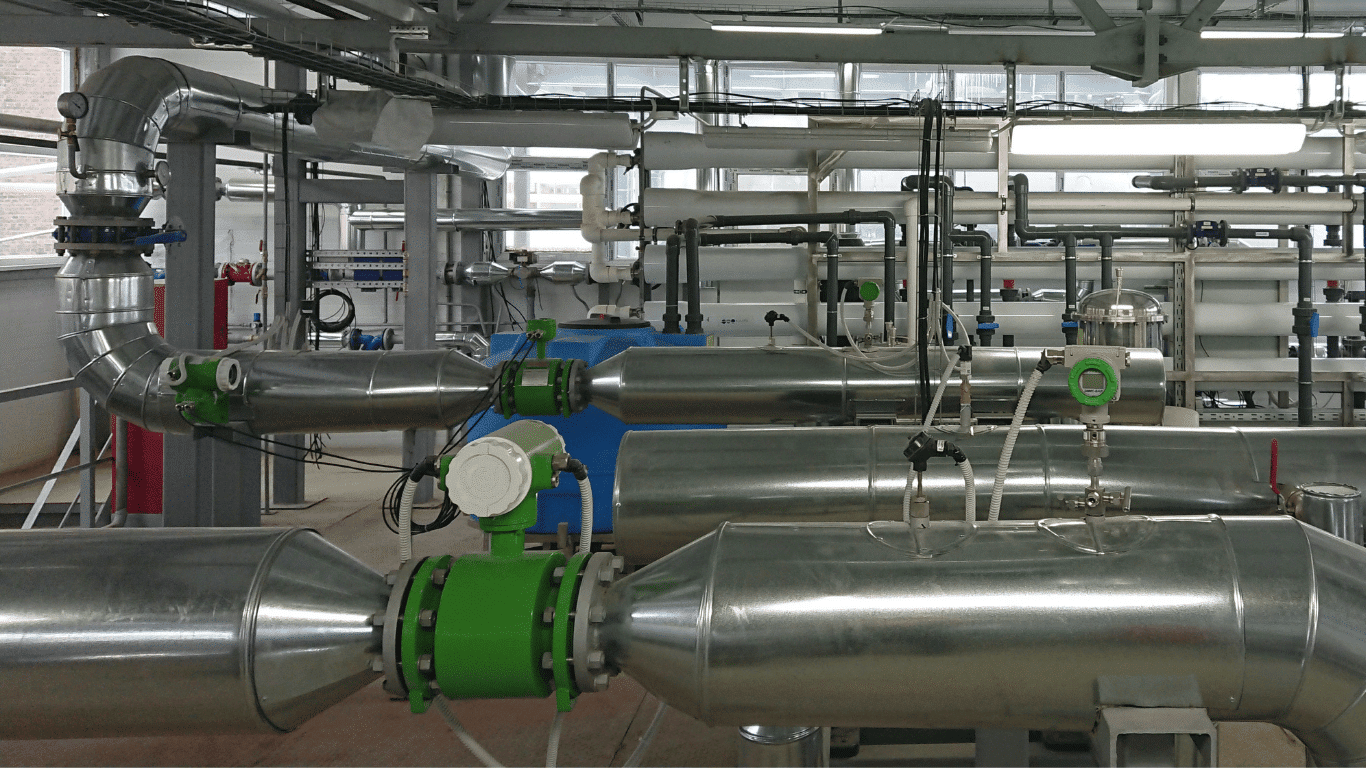
Every facility that relies on industrial water knows that water quality directly affects performance, safety, and long-term costs. An effective industrial water filtration system helps remove contaminants that can disrupt operations, damage equipment, and compromise output. When filtration is done right, it supports consistent processes and keeps your water working for you, not against you.
Why Filtration Matters in Industrial and Commercial Systems
Across any industry, water filtration plays a direct role in keeping operations stable and predictable. Industrial water often carries harmful contaminants like suspended particles, chemicals, and organic matter that can interfere with each process. When these are left untreated, they reduce efficiency, create inconsistencies, and increase wear on critical equipment.
In commercial water systems, the impact is just as clear. Poor water filtration can affect product quality, customer satisfaction, and compliance standards. From food production to large facilities, clean and controlled commercial water helps maintain reliability across operations. Teams that prioritize proper filtration usually see fewer disruptions, better system performance, and longer equipment life.
How an Industrial Water Filtration System Works
An industrial water filtration system follows a straightforward but carefully controlled process. Water enters the filtration system through a pump, which regulates the flow rate and ensures consistent movement through the equipment. From there, it passes through different stages of filtration, where each filter is designed to target specific particles or impurities. Operators often monitor pressure and flow to make sure the system runs as expected.
Inside a typical unit, multiple components work together. Valves direct the water through each stage, while the filter media captures unwanted materials as the process continues. Depending on the design, the system may include several layers of filtration to protect downstream equipment. When properly configured, this setup allows the entire filtration system to deliver reliable performance while keeping critical operations running smoothly.
Key Filtration Technologies Used Today
Most modern water filtration systems rely on a combination of technologies to address different types of impurities. Media filtration remains one of the most common starting points, using filter media like sand or carbon to remove suspended particles and improve clarity. For dissolved minerals and finer contaminants, reverse osmosis plays a critical role. This method pushes water through a membrane, separating unwanted substances and producing purified water suitable for demanding applications.
In many facilities, commercial reverse osmosis systems work alongside ion exchange to fine-tune water chemistry. While reverse osmosis reduces a wide range of dissolved solids, ion exchange targets specific minerals like calcium and magnesium that contribute to scaling. Together, these technologies give operators more control over water quality, helping water filtration systems meet the exact requirements of each process.
Common Industrial Applications and Use Cases
When you look across different facilities, industrial water filtration applications vary, but the goal stays the same, consistent and reliable water for operations. In industrial applications like power plants, filtration protects boilers, cooling systems, and other critical equipment from buildup and damage. It also helps facilities manage varying water sources, which often bring different levels of contaminants into the system.
In commercial applications, the focus often shifts to product quality. Food and beverages production depends on clean water to maintain taste, safety, and consistency. Filtration also supports ice production and drinking water systems, where even small impurities can affect final output. Teams that invest in proper filtration usually see fewer quality issues and more confidence in what they deliver to customers.
Key Design and Selection Considerations
Choosing the right system starts with understanding your water supply and what it carries. Different sources bring varying levels of contaminants, including suspended solids, chlorine, and dissolved materials that affect performance. Teams should look closely at incoming water conditions, because this determines the type of filtration needed to consistently produce high quality water for daily operations.
Flow requirements also matter more than most expect. A system designed for high flow must handle demand without sacrificing filtration performance. At the same time, proper sizing helps prevent issues like scale buildup and uneven treatment. When operators match system capacity to actual conditions, they avoid unnecessary strain and keep filtration running efficiently over the long term.
Maintenance and Performance Optimization
Good maintenance keeps your filtration system predictable. Filters collect sediment and fine particles over time, so regular inspection and cleaning should never be skipped. When a filter starts to clog, you will notice pressure changes and reduced efficiency across the system. Teams often catch early issues by tracking performance trends and scheduling routine service before problems affect the operation.
It also helps to look at the entire setup, not just one piece of equipment. Pumps, valves, and control components all influence how well each filter performs. A consistent maintenance plan improves reliability and extends system life. If you want a deeper look at how different technologies support long-term performance, take a look at our guide on water treatment technologies.
Building a Reliable Filtration Strategy
A strong filtration strategy comes from aligning your systems with real operating conditions. No two facilities are the same, so your approach should be engineered around your water profile, production demands, and long-term goals. The right combination of water treatment solutions, filtration stages, and chemical dosing helps stabilize performance and protect your equipment. If you want to explore how membrane-based systems fit into your setup, you can review our membrane filtration options here.
From a business standpoint, consistency is what your customers rely on. Reliable systems reduce downtime, protect product quality, and keep operations predictable. It also helps to partner with a team that understands both the technical and operational side of water systems. If you are evaluating improvements or planning upgrades, take a closer look at our custom chemical programs here.
Need guidance on where to start? Reach out to our team and we will walk through your system with you and help you build a plan that supports your operation long term.
Frequently Asked Questions (FAQs)
What is the difference between commercial water filters and a commercial water filtration system?
Commercial water filters usually refer to individual units that remove specific contaminants, while a commercial water filtration system combines multiple filters and treatment stages to handle larger volumes and complex water quality needs for plants, businesses, or power facilities.
Can a water filter system improve the taste and safety of drinking water?
Yes. Properly designed systems remove chlorine, iron, odors, and other chemicals from tap water or house water supplies, delivering filtered water with better taste and high purity water suitable for drinking or industrial processes.
What materials and features should I look for in a system unit?
Look for stainless steel construction, durable valves, and modular units that allow easy maintenance and replacement. Features that support chemical dosing and efficient operation help keep systems reliable across commercial water applications.
How often should commercial water filter systems be serviced?
Routine maintenance depends on flow rate, water quality, and system type. Operators should monitor filter pressure and sediment accumulation, replacing filters and servicing valves or pumps as needed to maintain consistent performance.
Are these systems suitable for industrial plants and power facilities?
Absolutely. Industrial water filtration systems are engineered to handle high flow and large volumes, protecting equipment and ensuring clean, reliable water across industrial, commercial, and power applications.
