
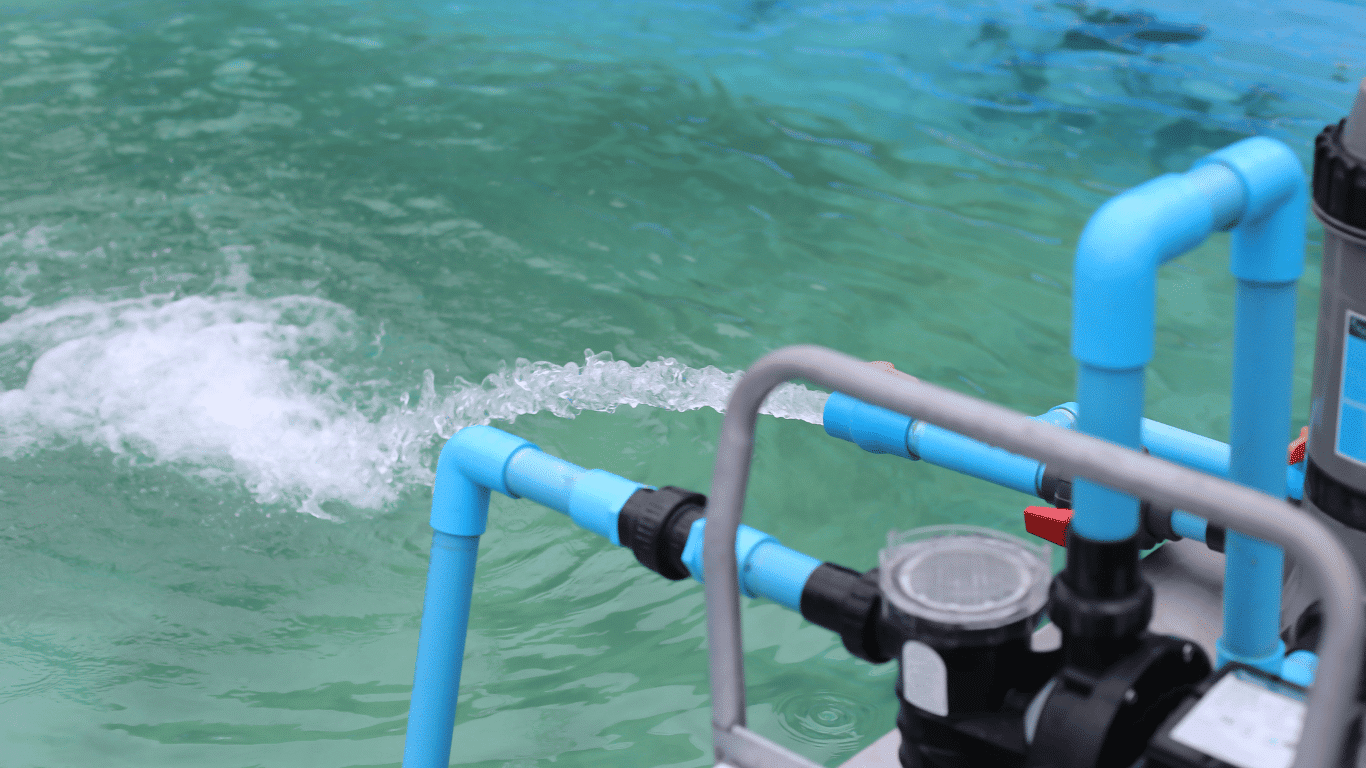
In many modern water systems, maintaining consistent disinfection is not something you leave to chance. A chlorine injection pump plays a key role in delivering controlled doses of chlorine into a water treatment process to help manage bacteria and other contaminants that naturally appear in raw or processed water. Instead of relying on manual mixing or inconsistent application, this setup allows operators to maintain steady chemical levels that support safer and more reliable operation. In real-world applications, chlorine dosing becomes less about “adding chemicals” and more about maintaining balance in the system so water quality stays stable throughout the entire process.
Why Chlorine Dosing Is Used in Water Systems
Consistent disinfection is essential to keep water safe and stable for use. Chlorine remains one of the most reliable disinfectants because it actively controls bacteria and other microbial growth that can develop inside water systems. Operators aim to maintain a measurable level of free chlorine to ensure active disinfection is always present, while also managing residual chlorine to keep protection ongoing throughout the system. The challenge lies in dosing accuracy, since too little reduces effectiveness and too much can affect water quality and system performance.
What a Chlorine Injection Pump Is
A chlorine injection pump is a dosing device designed to deliver a controlled amount of disinfectant into a water system at a precise rate. In most applications, this injection pump introduces liquid chlorine in the form of a prepared chlorine solution into flowing water to maintain consistent disinfection levels. Instead of manual mixing or irregular dosing, the pump ensures steady application based on system demand. This controlled process helps operators maintain stable water treatment conditions while supporting consistent microbial control across different operating loads and flow conditions.
Chlorine Injection System Overview
A chlorine injection system is built to deliver precise disinfection across different types of water systems, especially where steady microbial control is critical. At its core, the injection system combines a chemical storage tank, a solution tank, and a dosing pump that introduces chlorine into the process stream. The system is designed so operators can prepare a stable chlorine solution, store it safely, and then feed it at controlled rates depending on system demand. This setup removes guesswork and helps maintain consistent dosing even when operating conditions change throughout the day.
As water flow moves through the process line, the pump injects the solution at a controlled injection point, ensuring the chemical blends evenly with the water stream. This steady delivery helps maintain proper disinfection across the entire system instead of uneven spikes or drops in concentration. In many facilities, this setup is part of a broader water treatment strategy that prioritizes stability and efficiency. You can learn more about how these configurations are designed in real applications through our guide on the chlorine injection system.
How the System Works Step-by-Step
In a typical chlorination system, the process starts when operators prepare a measured chlorine solution inside a solution tank connected to the main water systems. From there, a pump draws the solution and delivers it into the pipeline where controlled dosing begins. At this stage, the system is designed to respond to water flow, ensuring chlorine is only introduced when needed. This step is critical because it sets the foundation for consistent disinfection across varying operating conditions.
As the process continues, the injection system delivers chlorine directly into the injection point, where it mixes thoroughly with moving water. Many systems use a proportional feed approach so dosing automatically adjusts based on demand. This helps maintain stable residual chlorine levels throughout the system while ensuring enough contact time for effective disinfection. When properly set, the process supports consistent control of contaminants across the entire network, keeping the system balanced and reliable without manual intervention.
Core Components of the System
A typical chlorine injection system relies on several precision components working together to ensure stable dosing inside water systems. At the center is the metering pump, which controls how much chlorine solution is delivered into the process stream. In many installations, a peristaltic metering pump is used because it provides consistent flow and handles chemical dosing with fewer moving parts exposed to chemicals. This design supports reliable operation even under varying pressure and flow conditions, making it suitable for continuous water treatment applications.
Supporting components are just as important for system reliability. The pump tube and tubing carry the solution safely from the tank to the dosing line, while a foot valve ensures the line stays primed and prevents backflow into the tank. A check valve is installed near the discharge side to stop unwanted reverse flow and protect dosing accuracy. Together, these components help maintain steady operation and reduce downtime in the system. You can explore how these parts integrate into full dosing setups through our guide on chemical metering pumps.
Applications Across Water Systems
A chlorine injection system is widely used across different water systems because it offers flexible and reliable disinfection in both commercial and industrial settings. In cooling towers, it helps control microbial growth that can develop under warm, recirculating conditions. In irrigation systems, controlled dosing protects water lines and prevents biological buildup that can affect distribution efficiency. Many facilities connected to a well pump also rely on chlorine injection to treat raw groundwater before it enters storage or distribution, especially when natural contaminants are present.
In residential and light commercial setups like whole house systems and swimming pool applications, chlorine dosing ensures safe and consistent water quality. It is especially useful when water contains iron, manganese, or hydrogen sulfide, which can cause discoloration, staining, and unpleasant odors. Proper oxidation through controlled chlorine addition helps neutralize these issues and maintain stable water conditions. Across all applications, the system supports consistent water treatment performance by adapting to different flow demands and water chemistry challenges.
Oxidation and Contaminant Control
In many water systems, the strength of a chlorine injection system goes beyond disinfection alone. It also supports key oxidation reactions that improve overall water treatment performance. When chlorine is introduced, it helps oxidize iron and manganese, converting them into particles that can be filtered out more easily. It also breaks down hydrogen sulfide, which is responsible for rotten-egg odors in water supplies. At the same time, chlorine actively targets bacteria, disrupting their growth and preventing contamination from spreading through the system. This combination of oxidation and microbial control allows operators to maintain more stable and predictable water quality across different operating conditions.
Performance Benefits of Chlorine Injection Systems
A properly designed chlorine injection system supports optimal performance across a wide range of water systems by maintaining consistent and reliable disinfection levels. One of the biggest advantages is accurate dosing, which helps operators maintain a stable chlorine residual without overfeeding or underfeeding chemicals. This balance is important in controlling water chemistry, especially in systems that experience fluctuating flow or demand. When dosing stays consistent, the overall water treatment solutions become more efficient and predictable, reducing operational risks and improving system stability. Over time, this level of control helps facilities maintain cleaner, safer water while minimizing unnecessary chemical use and process disruptions. You can explore how these features are integrated into full system designs here.
Maintenance and Monitoring Practices
Regular maintenance keeps a chlorine injection system reliable across different water systems. Operators often start by checking the pump for steady operation, since any irregular stroke or vibration can affect dosing accuracy. The tubing should stay flexible and free from cracks or blockages, while the solution tank needs proper cleaning to prevent sediment buildup or chemical degradation over time. Monitoring pressure and flow is equally important because changes in system demand can directly impact dosing performance. In real field conditions, small issues like air leaks or clogged lines can quickly affect distribution, so early inspection helps avoid larger system interruptions and keeps the injection process stable and consistent.
ProChem System Integration & Support
Designing and operating effective water treatment systems requires more than just installing equipment. It takes the right balance of system design, chemical selection, and ongoing support. At ProChem, we work closely with operators to integrate a reliable chlorine injection system that fits actual site conditions, not just theoretical flow rates. This includes proper chemical selection, system sizing, and alignment with real water chemistry demands to ensure stable performance over time. Our approach focuses on helping facilities avoid common dosing issues while improving consistency and control across their processes.
When challenges come up, having the right support team makes a difference. Our tech support assists with troubleshooting, optimization, and system adjustments so operators can maintain reliable performance without unnecessary downtime.
If you are evaluating improvements to your current system or planning a new setup, our team can help you build a more efficient and dependable chemical dosing strategy using proven chemicals and system integration practices.
