
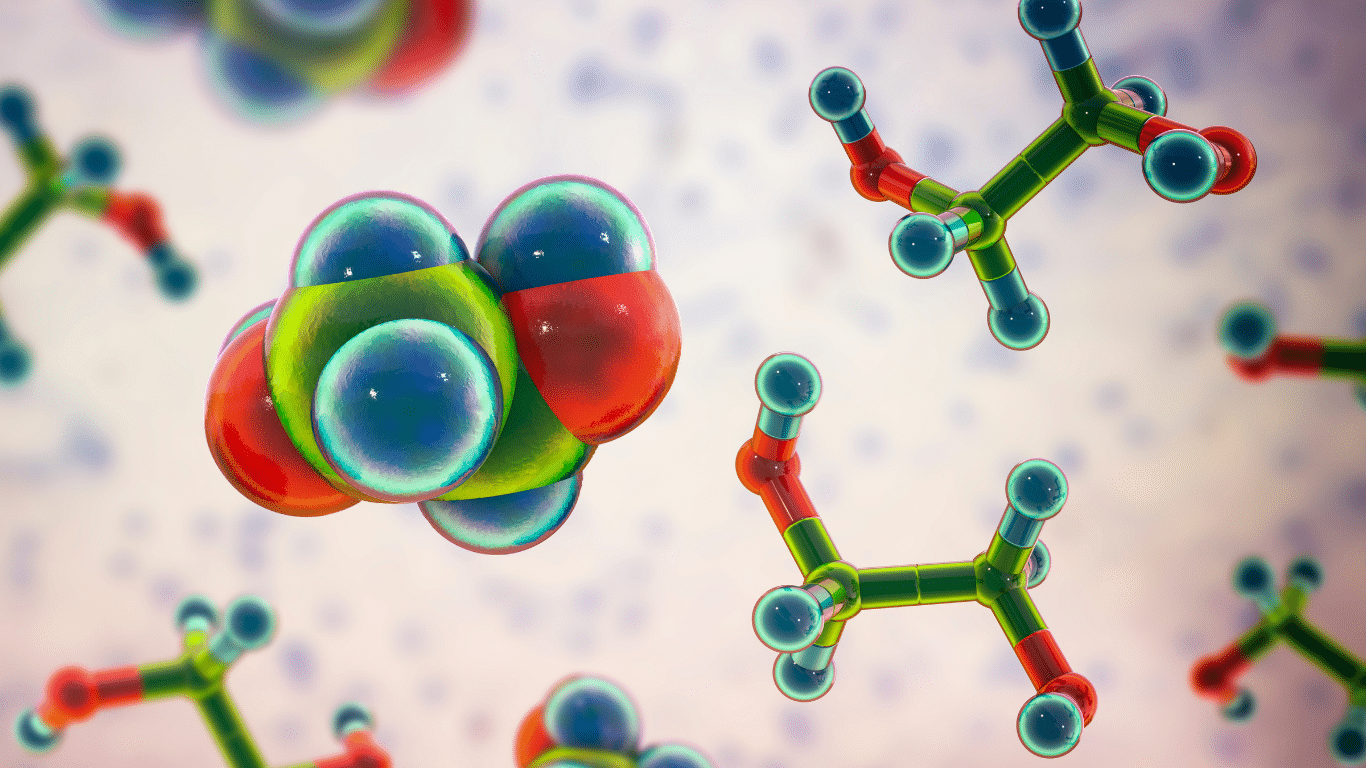
In most industrial facilities, choosing the right glycol is not just a technical detail, it is a decision that directly affects how well your system runs. When teams compare ethylene glycol vs propylene glycol, they are really weighing performance, safety, and long-term reliability. Both are widely used in heat transfer applications, but the wrong choice can impact efficiency, maintenance, and even safety. Understanding how each glycol behaves helps operators keep their systems stable and performing the way they should.
What Are Glycols and Why They Matter
When you first step into plant operations, you will hear the term glycol come up often, especially around cooling and heat transfer systems. Glycols are organic compounds that belong to the alcohol family, and in most industrial settings, we are referring to two chemical compounds, ethylene glycol and propylene glycol. Both are typically a colorless, odorless liquid, and they share similar base structures made up of carbon atoms, which is why they behave similarly in many applications.
That said, they are not identical. Ethylene glycol and propylene glycol are both considered a viscous liquid, but each has distinct properties that affect performance, handling, and safety. These differences matter more than most teams expect. Choosing the right glycol is not just about keeping a system running, it is about matching the fluid to the operating conditions and the level of risk your facility can manage.
How Glycols Work in Heat Transfer Systems
In most facilities, glycol is used as a heat transfer fluid that helps move heat efficiently from one part of a system to another. Inside hvac systems and industrial cooling system setups, the fluid circulates through pipes, absorbs heat from equipment, and carries it away to be released elsewhere. This continuous heat transfer cycle keeps temperatures stable, which is critical for process cooling, especially in environments like data centers where even small temperature swings can cause major issues.
From an operational standpoint, teams rely on glycol because it performs consistently across a wide temperature range. It helps systems handle both high heat loads and colder conditions without freezing or breaking down. If you want a deeper look at how heat moves through these systems, check out our guide on fundamentals of heat transfer. Understanding this process helps operators fine-tune performance and avoid common issues that reduce system efficiency.
Freeze Protection and Thermal Performance
One of the main reasons facilities use glycol is for freeze protection. As temperatures drop, untreated water can reach its freezing point and expand, which can crack pipes, damage heat exchangers, and shut down an entire system. Glycol lowers the freezing point of the fluid through freeze point depression, allowing the system to operate safely at lower temperatures. This is critical for outdoor equipment, seasonal operations, and any process where temperature swings are expected.
At the same time, teams need to think about thermal performance, not just protection. Adding glycol affects how well a fluid carries heat, including its boiling point and overall thermal efficiency. Higher concentrations improve freeze protection but can reduce heat transfer efficiency. Operators should balance these factors carefully. Too little protection risks freezing damage, while too much can reduce performance and increase energy use.
Ethylene Glycol Overview
Ethylene glycol is one of the most widely used glycol fluids in industrial systems, largely because of its strong heat transfer performance and cost efficiency. Derived from ethylene, it is commonly used in antifreeze and cooling applications where high thermal efficiency matters. It is a colorless liquid with a faintly sweet taste, which can make it dangerous if mishandled. You will also see it used in manufacturing processes, including the production of polyethylene terephthalate, which is widely used for plastics and packaging.
That said, teams need to take its risks seriously. Ethylene glycol is considered toxic, with high acute oral toxicity and a relatively low lethal dose compared to other fluids. Even small amounts can lead to serious health issues, including metabolic acidosis if ingested. This is why facilities must manage storage, handling, and disposal carefully. In environments where accidental exposure is possible, this level of toxicity becomes a critical factor in deciding whether it is the right fluid for the system.
Propylene Glycol Overview
Propylene glycol is often the preferred option when safety is a priority. Derived from propylene, it is widely known for its low toxicity and is commonly described as non toxic in comparison to other industrial fluids. It is even used as a food grade antifreeze and is generally recognized as safe in controlled applications. You will find it in food processing, food additives, pharmaceuticals, and in systems where incidental contact with drinking water is possible.
That said, safer does not always mean better for every system. Propylene glycol typically has lower heat transfer efficiency compared to ethylene glycol, which can affect performance in demanding applications. Teams need to account for this when designing or maintaining systems. In many cases, facilities accept slightly reduced efficiency in exchange for improved safety, especially in environments where human exposure or product contamination is a concern.
Key Differences Between the Two Glycols
When teams evaluate ethylene glycol vs propylene glycol, the decision usually comes down to performance versus safety. Ethylene glycol delivers better heat transfer efficiency and is often the go-to choice for demanding industrial systems. On the other hand, propylene glycol vs ethylene glycol comparisons consistently highlight safety as the main advantage of propylene glycol, especially in environments where exposure risks exist. This is the core of any glycol vs discussion, you are balancing system performance with operational risk.
The main difference between these two glycols shows up in how they are used across industries. Ethylene glycol is typically selected for closed-loop systems where contact is controlled, while propylene glycol is preferred in applications involving food, potable water, or sensitive processes. Understanding the difference between propylene glycol and ethylene glycol helps teams avoid costly mistakes. Choosing the wrong glycol can impact efficiency, compliance, and overall system reliability, so it is a decision that should always be made carefully.
Viscosity and System Efficiency
Viscosity plays a direct role in how efficiently a system moves fluid and transfers heat. Propylene glycol typically has a higher viscosity, while ethylene glycol offers lower viscosity, which improves flow. In practical terms, low viscosity means less resistance in the system, better circulation, and improved thermal efficiency. When selecting a solution, teams should account for how viscosity will impact pump load, energy use, and overall performance.
Safety, Toxicity, and Handling Considerations
This is where I usually slow teams down and make sure everyone is aligned. The toxicity of your glycol matters just as much as performance. Ethylene glycol is toxic and carries significant acute oral toxicity, so even small amounts can be dangerous if there is accidental ingestion. Its sweet profile increases that risk, especially in open or poorly controlled areas. If your system has any chance of incidental contact or animal contact, you need to treat this as a serious hazard, not a minor concern.
We have seen issues come from something as simple as using the wrong glycol in the wrong system. If there is any connection to potable water or areas where exposure is possible, propylene glycol is usually the safer direction. Teams should label clearly, store properly, and train operators to recognize the differences. These are simple steps, but they prevent costly incidents and protect both people and the system.
Choosing the Right Glycol for Your System
In real-world operations, the choice often comes down to how the system behaves under load. In the hvac industry, ethylene glycol is commonly used in closed-loop antifreeze applications where performance and heat transfer are priorities. It is widely included in antifreeze formulations designed for industrial equipment and process cooling systems that need strong thermal efficiency and stable operation across changing temperatures.
On the other hand, propylene glycol becomes the preferred solution when safety, exposure risk, or regulatory compliance comes into play. In food-related environments or systems that may interact with potable water, it is often the industry standard. The key is not just selecting a glycol, but matching it to how the system operates day to day. When teams align fluid choice with real operating conditions, they reduce risk, improve reliability, and avoid unnecessary downtime.
Supporting System Performance with the Right Treatment Approach
Once the glycol is selected, the real work begins in keeping the system stable over time. A well-managed system depends on more than just the base fluid; it relies on a complete solution that controls contamination, scaling, and chemical balance. In many facilities, glycol compounds can degrade or become less effective without proper monitoring, especially in high-load environments where heat transfer demand stays constant. This is where treatment strategy becomes just as important as fluid selection.
Teams often see better long-term performance when they move away from uninhibited glycol and instead support their loops with targeted chemistry programs that include organic acids and corrosion control agents. If you want a deeper look at system design and protection, explore our glycol cooling system approach here.
You can also review how treatment chemistry impacts stability in our water treatment chemicals guide, or learn more about structured support through our chemical programs.
Next Steps
The decision between glycol types should always come back to how your system runs, not just what looks standard on paper. Small choices here directly affect reliability, efficiency, and long-term maintenance. Reviewing your current setup or planning a new one? Take the time to validate your glycol strategy with real operating conditions in mind. For tailored guidance, reach out to our team at ProChem so we can help you evaluate your system, improve performance, and keep operations running consistently and safely.
Frequently Asked Questions (FAQ)
What is the difference between food and industrial applications of glycol?
Food applications typically use propylene glycol in propylene glycol solutions where safety and low toxicity are essential. It is commonly found in food products and pharmaceutical products where incidental contact may occur.
Industrial use, on the other hand, often relies on ethylene glycol in antifreeze formulations and closed-loop systems where performance matters more than exposure risk. The key difference is always safety versus efficiency in system design.
Can glycols be used in drinking water systems?
Only specific grades, such as food-grade propylene glycol, may be used where there is potential interaction with potable water. These are generally recognized for controlled use in sensitive environments.
Ethylene glycol is not suitable for drinking water systems due to its toxicity. Proper selection ensures compliance and reduces contamination risk in connected systems.
What happens if the wrong glycol is used in a system?
Using the wrong glycol can reduce efficiency, damage components, or create safety risks. For example, selecting a high-toxicity glycol where incidental contact is possible increases operational hazards.
It can also affect how organic acids and glycol compounds behave in the system, leading to corrosion or instability over time.
How do glycols affect freezing and boiling points?
Glycols lower the freezing point of a fluid through point depression, helping systems operate in lower temperatures without freezing. They also influence the boiling point, which can impact heat transfer stability.
This balance is critical in maintaining consistent system performance across changing operating conditions.
Where are each glycol type commonly used?
Ethylene glycol is commonly used in industrial cooling and antifreeze applications where efficiency is the priority. Propylene glycol is used in food products, pharmaceuticals, and systems requiring safer handling.
Both play important roles in modern glycol-based systems, but selection always depends on application, exposure risk, and operating environment.
