
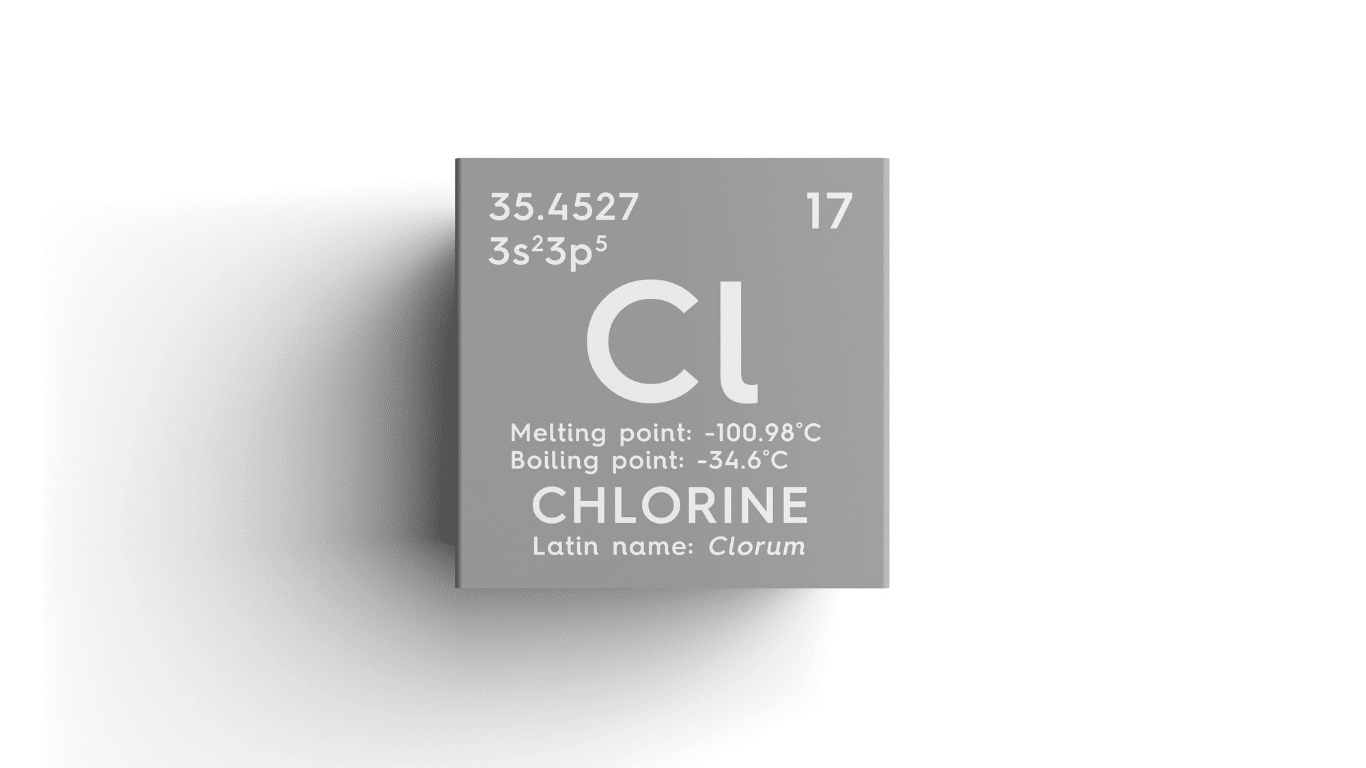
Chlorine plays an important role in water treatment because it helps control bacteria and other microorganisms that can affect water quality. Operators rely on disinfection to keep treated water safe and consistent. However, adding chlorine is only part of the process. Teams also need to know how much remains in the water after treatment, making reliable monitoring an important part of day-to-day operations.
A chlorine monitor gives operators a clearer view of residual chlorine so they can track changes and respond when conditions shift. Consistent measurements can help confirm that disinfection remains effective without adding more chlorine than the system needs. For facilities that depend on stable water quality, having dependable chlorine data makes it easier to manage treatment with greater confidence.
What a Chlorine Monitor Measures
A chlorine monitor helps operators understand how much chlorine remains in treated water and what form that chlorine takes. Free chlorine refers to chlorine that remains available for immediate disinfection, mainly as hypochlorous acid and hypochlorite ion. The balance between these forms can change with water chemistry, particularly pH. Tracking free chlorine gives operators a useful indication of the disinfectant available to control microorganisms throughout a treatment process.
Combined chlorine forms when free chlorine reacts with substances such as ammonia in the water. This reaction can produce chloramines, including monochloramine, dichloramine, and trichloramine. Combined chlorine does not provide the same immediate disinfection effect as free chlorine, so monitoring the difference between these forms can help operators understand how chlorine is behaving within the system. The amount remaining after chlorine reacts with water constituents is generally described as residual chlorine.
Total chlorine represents the combined amount of free and combined chlorine in a water sample. Measuring total chlorine alongside free chlorine can therefore provide a more complete picture of chlorine concentration and overall treatment conditions. Operators can compare these readings with their target free chlorine residuals to determine if the system maintains an appropriate level for effective disinfection without unnecessarily increasing chlorine use.
Why Chlorine Monitoring Matters in Water Treatment
Consistent chlorine monitoring helps operators confirm that disinfection remains effective as treated water moves through a system. A sufficient disinfectant residual helps control bacteria, microorganisms, and viruses that may enter or remain in the water. This becomes especially important in a water supply with multiple treatment stages or long distribution systems, where chlorine residuals can change as water travels through pipes, tanks, and other components.
We recommend looking at chlorine trends rather than relying only on occasional checks. Continuous chlorine monitoring can show when chlorine levels begin to change, giving operators an opportunity to investigate before a small variation becomes a larger treatment problem. Changes in water demand, temperature, pH, or incoming water quality can all affect how quickly chlorine gets consumed. Regular monitoring provides the visibility needed to respond to these changes with better timing.
At the same time, more chlorine does not automatically mean better disinfection. Excessive chlorine can increase chemical use and contribute to unwanted disinfection by-products. Keeping the disinfectant at an appropriate level helps balance effective treatment with water quality goals. Reliable monitoring also gives operators useful records for process control and regulatory compliance, particularly when facilities need to demonstrate that their water supply consistently meets established treatment requirements.
What Can Cause Chlorine Levels to Change?
Chlorine levels can shift even when the treatment process appears to be running normally. One of the main factors to watch is pH. As pH levels change, the balance between hypochlorous acid and hypochlorite ion also changes, which affects how quickly chlorine works as a disinfectant. Temperature can influence this reaction as well, so operators should consider both pH and temperature when reviewing chlorine readings instead of treating each measurement as an isolated result.
Ammonia presents another important source of variation. When ammonia reacts with chlorine, it can form combined chlorine and reduce the amount of free chlorine available for immediate disinfection. Other water chemistry factors can also increase chlorine demand, causing concentrations to fall faster than expected. Changes in organic matter, contaminants, or incoming water quality may therefore affect how much chlorine the system needs to maintain a stable residual.
Distribution conditions can create additional variations after water leaves the treatment stage. Longer residence times, changing flow rates, pipe conditions, and water temperature can all influence chlorine as it moves through the system. If readings change unexpectedly, operators should look at these factors together. Comparing current measurements with previous trends can help identify what changed and guide a more informed response.
How Chlorine Is Measured
Operators can use several methods for chlorine measurement, depending on the system, required accuracy, and how frequently they need results. Laboratory analysis provides a controlled way to evaluate a water sample, with DPD photometry commonly used to determine chlorine levels. The method relies on a reagent that reacts with chlorine and produces a color change, which the instrument measures. Laboratory testing works well for periodic verification, troubleshooting, and situations where operators need a detailed analysis of a sample.
For routine field testing, test kits provide a practical way to check chlorine at the treatment site or at selected points throughout a system. These kits allow operators to collect a sample and obtain quick readings without sending water to a laboratory. Periodic sampling can suit systems with relatively stable conditions and lower monitoring demands. Still, operators should avoid relying on occasional measurements when chlorine conditions can change quickly or when the process requires tighter control.
Continuous online monitoring provides a different approach. Instead of collecting a sample manually each time, chlorine sensors measure the water continuously and send readings to an analyzer or control system. Amperometric sensors commonly support this type of monitoring by responding to the chlorine present in the water. Continuous measurement gives operators current data, making it easier to identify process changes early and respond before chlorine levels move too far outside the desired range.
Choosing the Right Chlorine Monitoring Approach
Start with the measurement your system actually needs. Some facilities mainly need to track free chlorine because it represents the disinfectant available in the water, while others also need total chlorine to understand the presence of combined chlorine. Total chlorine sensors can support applications where both forms matter. Before choosing equipment, consider the treatment objective, water chemistry, and the readings operators need to make day-to-day decisions.
Sampling frequency also matters. A small, stable system may work well with periodic checks, while larger systems or processes with frequent variations may benefit from continuous monitoring. Look at how quickly conditions can change and how quickly your team needs to respond. Chlorine sensors connected to an analyzer can provide continuous data, helping operators spot changes without waiting for the next manual sample. Sensor reliability also matters, since inconsistent readings can lead to poor treatment decisions.
Automation can make monitoring even more useful when operators need access to data from different locations. Remote monitoring and remote access allow teams to review readings without being beside the treatment equipment. Some systems, including HaloSense monitors, use reagent-free technology for free chlorine measurement and can support automated monitoring. The right approach depends on your system, but the goal remains the same: dependable readings that give operators enough information to act with confidence.
Using Chlorine Monitoring as Part of a Water Treatment Strategy
Chlorine monitoring should support your water treatment strategy, not replace it. A reading tells you what is happening in the water, but operators still need to understand why conditions are changing and adjust treatment accordingly. Use chlorine measurements to guide dosing, investigate unusual chlorine residuals, and confirm that the system continues to meet its treatment objectives. Looking at trends also gives your team more context than reacting to a single reading.
It helps to review chlorine data alongside other water quality parameters. Changes in pH, temperature, conductivity, and total dissolved solids can affect treatment conditions and may help explain unexpected sensor readings. For a broader look at how different parameters work together, see our guide to water quality monitoring. This wider view can help operators distinguish a chlorine-related issue from a change elsewhere in the process.
Reliable monitoring also depends on taking care of the equipment that provides the data. Keep sensors clean, follow the manufacturer’s maintenance recommendations, and periodically verify readings against an appropriate reference method. An analyzer can provide useful continuous data, but operators should still confirm unusual measurements before making major treatment adjustments. Combining dependable measurement with good process control gives your team a stronger basis for making timely decisions.
Practical Steps for Reliable Chlorine Monitoring
Start by establishing the chlorine range your system needs to maintain. The appropriate target depends on the treatment process, water quality, and disinfection requirements. Once you know the target, select a chlorine monitor and measurement method that match the application. Position sensors or sample points where they can provide representative readings, rather than placing them where stagnant water or unusual flow conditions could distort the results.
Next, look at chlorine alongside pH and temperature. These factors can influence chlorine behavior, so tracking them together gives operators more useful context. Compare automated readings with periodic verification using an appropriate sample and reference method. For facilities evaluating equipment, ProChem’s water quality monitoring equipment can help teams consider the tools needed for consistent monitoring and process control.
Finally, focus on trends instead of isolated readings. Track free chlorine residuals and residual chlorine over time, then investigate unusual changes before they become larger treatment issues. Keep sensors and related equipment clean and maintained, and respond promptly when readings move outside the expected range. This routine gives operators better control over chlorine measurement and helps keep monitoring reliable.
Building a More Reliable Water Monitoring Program
A reliable monitoring program starts with more than installing equipment. Teams should consider where measurements matter most, how often they need data, and how chlorine readings fit into the rest of the water treatment process. Combining chlorine sensors, an analyzer, and continuous monitoring can give operators a clearer view of changing conditions, especially when water quality varies across different parts of a facility or system.
The right setup should also work with the way your team manages its systems every day. If you need help connecting measurement, monitoring, and treatment decisions, explore ProChem’s water treatment systems to see how different treatment technologies can fit into a complete approach.
Ready to evaluate your monitoring needs? Talk with our water treatment team. We can help you look at your process, identify where better measurement can make a difference, and build a practical approach around your facility’s operating needs.
“`html id=”kq4m2s”Frequently Asked Questions (FAQ)
What is the difference between free chlorine and total chlorine?
Free chlorine includes hypochlorous acid and hypochlorite ion, which provide active disinfection. Combined chlorine forms when free chlorine reacts with substances such as ammonia. Total chlorine represents both free and combined chlorine, giving operators a broader view of the disinfectant present in water.
What is a normal free chlorine residual in water?
A general reference range for free chlorine residuals is 0.2–2.0 mg/L, but the appropriate target depends on the application, treatment requirements, water quality, and applicable standards. Operators should follow the range established for their specific system rather than applying one target to every facility.
How often should chlorine levels be monitored?
The right frequency depends on system stability, water demand, and operational requirements. Periodic testing may suit stable systems, while continuous online monitoring provides more frequent data for systems with changing conditions or extensive distribution networks. Operators should increase monitoring when chlorine levels fluctuate or process conditions change.
What type of sensor measures chlorine continuously?
Amperometric sensors commonly support continuous chlorine measurement by detecting chlorine in the water and sending data to an analyzer. Some chlorine sensors also use reagent-free technology. For example, HaloSense monitors can measure free and total chlorine continuously, giving operators access to ongoing readings without relying solely on manual testing.
Can chlorine monitoring improve water treatment system performance?
Yes. Consistent monitoring helps operators track chlorine concentration, maintain treatment control, and detect process changes early. Reliable data can also support bacteria control, improve disinfection decisions, and help facilities maintain regulatory compliance. Remote monitoring can further give teams access to current readings when they need to respond quickly.
