
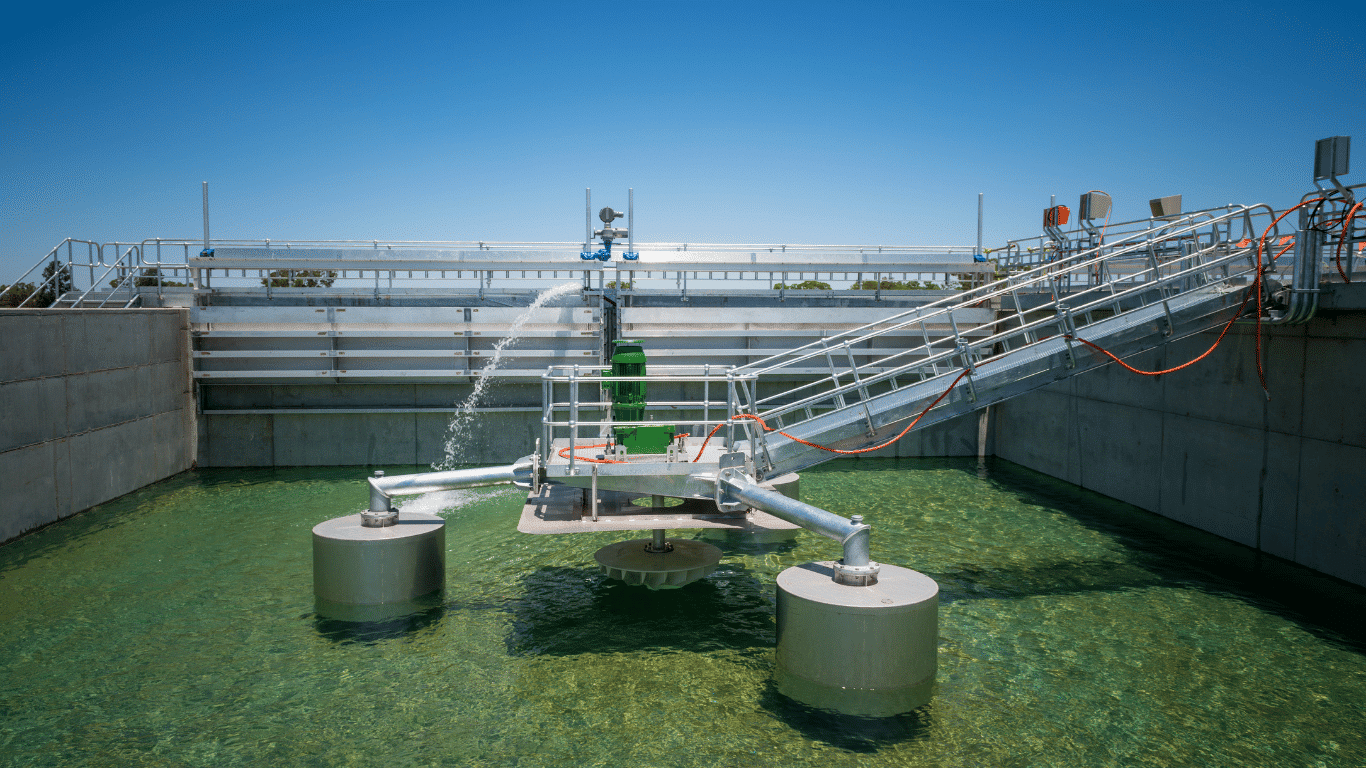
Biosolids management covers how facilities treat, stabilize, test, handle, reuse, and dispose of organic solids generated during wastewater treatment. At wastewater treatment plants, the treatment process separates solids from the water stream, creating material that requires careful handling before its final use or disposal. When facilities manage these solids properly, they can reduce waste while supporting safe and beneficial end uses.
It helps to understand that biosolids are not simply untreated sewage sludge. Treatment changes the material by reducing pathogens and stabilizing its organic matter, making it suitable for specific management options when it meets applicable requirements. If you want a closer look at how solids fit into the broader treatment train, our guide to the wastewater treatment process provides useful context.
How Wastewater Treatment Produces Biosolids
At wastewater treatment plants, solids develop as the facility removes contaminants from incoming wastewater. Domestic sewage and other wastewater streams carry suspended materials, organic material, nutrients, microorganisms, and other constituents. During treatment, physical and biological processes separate much of this material from the water. The resulting sewage sludge contains concentrated solids that still require additional treatment before the facility can determine an appropriate end use or disposal route. A wastewater treatment facility therefore needs to manage solids as an integral part of its overall wastewater treatment strategy, not as an afterthought.
The next step focuses on reducing the volume and stabilizing the sludge so facilities can handle it more effectively. Dewatering removes a significant portion of the water held within the solids, which can lower transportation and handling requirements. Our guide to sludge dewatering explains how this step supports more efficient solids handling. Further treatment can then stabilize the remaining material, reduce odors, and address pathogens and other concerns. Once treatment meets applicable requirements, the resulting treated sewage sludge may qualify for specific biosolids management options.
Treatment and Stabilization Before End Use
Treatment plays a central role in preparing sludge for safe handling and an appropriate end use. Facilities use different treatment methods depending on sludge characteristics, system design, and regulatory requirements. Aerobic digestion uses oxygen and microorganisms to stabilize organic solids, while anaerobic digestion breaks down organic matter without oxygen and can also produce biogas. Other approaches include composting, drying, and lime stabilization. Each treatment process serves a specific purpose, but the goal remains consistent: stabilize the solids, control odors, and reduce pathogens before the material moves to its next stage.
Operators also need to pay close attention to pathogen reduction and vector attraction reduction. Pathogen reduction lowers disease-causing microorganisms in treated sewage sludge, while vector attraction reduction helps limit conditions that attract insects, rodents, and other vectors. Depending on the treatment process and intended use, facilities may need further treatment to meet applicable standards. For example, qualifying processes can produce treated sludge with significantly reduced pathogen levels. Keeping treatment conditions consistent and documenting performance gives operators a much clearer basis for determining whether the resulting solids meet the requirements for their intended management route.
Understanding Class A and Class B Biosolids
The main difference between Class A and Class B biosolids comes down to the level of pathogen reduction achieved through treatment. Class A biosolids meet more stringent pathogen requirements and contain very low levels of pathogens after qualifying treatment. Because of this higher level of treatment, facilities can use Class A biosolids for a wider range of applications, including certain agricultural and landscaping uses, as long as the material meets all applicable regulations and site requirements. For operators, the classification provides an important indication of how the treated material can be managed after treatment.
Class B biosolids receive treatment that significantly reduces pathogens, but the process does not eliminate them to the same degree as Class A treatment. As a result, land application of Class B biosolids requires additional controls, restrictions, and management practices designed to protect people, animals, crops, and the surrounding environment. Facilities should review both federal requirements and applicable state or local rules before selecting an end use. Good compliance practices also require operators to document treatment performance and verify that biosolids meet the requirements for their intended application. Understanding the classification early helps teams choose a practical management route and avoid problems later.
Testing, Regulations, and Compliance
Before facilities choose an end use for biosolids, they need reliable information about what the material contains. Testing helps teams evaluate pollutants, nutrients, pathogens, and other characteristics that can affect how they manage the material. The chemical composition can vary with the wastewater source and treatment conditions, so operators should assess the finished biosolids rather than rely on assumptions. Testing may include constituents such as zinc and chromium, along with nitrogen, phosphorus, and other nutrients. These results help facilities determine whether the materials meet the requirements for their intended use.
The U.S. Environmental Protection Agency (EPA) regulates biosolids under the Clean Water Act and 40 CFR Part 503, which establishes requirements for pollutant limits, pathogen reduction, vector attraction reduction, and management practices. Facilities also need to account for state and federal regulations because state law and local requirements can add conditions beyond the federal framework. EPA currently collects annual biosolids reports from roughly 2,350 facilities in jurisdictions where it implements the federal Biosolids Program. Nine states have authorization to administer the federal Part 503 program. Keeping accurate testing records, documenting treatment, and reviewing current regulations are essential steps for maintaining compliance and making informed management decisions.
Beneficial Reuse and Land Application
Land application gives facilities a practical way to put properly treated biosolids to beneficial use. When the material meets applicable requirements, operators can apply it to agricultural land to return nutrients such as nitrogen and phosphorus to the soil. Biosolids also add organic matter, which can help improve soil structure and water retention. For farms, landscaping projects, forestry, and pasture applications, these characteristics can make treated biosolids a useful soil amendment or soil conditioner. The goal is not simply to move material out of a facility. A good end use puts its remaining nutrients and organic material to work where they can provide value.
Still, operators should not treat every batch of biosolids as a universal fertilizer. The right application rate depends on nutrient content, pollutant concentrations, crop requirements, soil conditions, site characteristics, and applicable regulations. Teams should also consider runoff and other environmental concerns before selecting an application site. The quality of upstream treatment matters as well, since consistent wastewater treatment helps facilities produce more predictable solids for downstream management. ProChem’s industrial wastewater treatment systems can help facilities address wastewater characteristics at the treatment stage, which supports better control of the overall process and its resulting solids.
Biosolids Disposal Options
Land application is often a practical end use for properly treated biosolids, but it is not always the right choice. Facilities may need to consider landfill disposal or incineration when the material does not meet land application requirements, site conditions limit reuse, or another option makes more operational sense. Landfilling can involve a dedicated monofill or a municipal solid waste landfill, depending on the material and applicable requirements. Surface disposal provides another regulated option for certain treated solids. The right route should always account for the solids’ characteristics, treatment level, transportation needs, and compliance obligations.
Incineration takes a different approach by using heat to substantially reduce solids volume and destroy pathogens, leaving ash that requires appropriate management. It can also recover energy in facilities designed for that purpose. EPA’s 2024 reporting data shows that land application remained the largest reported management practice for sewage sludge, with landfilling and incineration also representing established disposal routes. For facility teams, the key is to evaluate each end use carefully rather than treating disposal as a one-size-fits-all decision. A sound management plan considers treatment performance, available land, logistics, environmental concerns, and long-term operating needs.
Building a Practical Biosolids Management Strategy
A practical strategy starts with knowing what your facility is producing. Track solids generation and volume over time, then look for changes that could point to an issue in the treatment process. Keep stabilization conditions consistent, verify pathogen and pollutant requirements, and document testing results as part of your routine compliance work. It also helps to review the intended end use or disposal route before solids accumulate. Land application, landfill disposal, and other options each have different requirements, so choosing the route early gives your team more time to plan transportation, handling, and storage.
Good biosolids management also means looking beyond immediate disposal needs. Diverting suitable organic matter from landfills can reduce waste and potentially limit greenhouse gas impacts associated with decomposition. Anaerobic stabilization can provide another opportunity, since facilities can capture biogas produced during the process and use it as an energy resource. Keep reviewing treatment performance, material characteristics, operating data, and changing regulations. When teams connect these pieces, they can build a more reliable process that supports compliance, beneficial reuse, and long-term facility performance.
Supporting Better Wastewater and Solids Management
Strong solids outcomes start with a well-managed wastewater treatment process. When operators understand how separation, treatment chemistry, equipment performance, and operating conditions affect solids generation, they can spot problems earlier and make better management decisions. Consistent treatment also gives teams greater control over the characteristics of the material they eventually need to handle, reuse, or dispose of. For a closer look at the broader infrastructure involved, explore ProChem’s wastewater treatment systems.
If your facility is reviewing its current approach, start by looking at the entire process rather than focusing only on the final solids. Review operating data, treatment performance, equipment condition, testing results, and compliance requirements together. That broader view can reveal opportunities to improve reliability and reduce unnecessary handling or disposal challenges. ProChem Inc. works with facilities to develop practical water and wastewater treatment strategies that fit their operating needs. Ready to take a closer look at your current approach? Talk with our team about building a more effective treatment and management strategy for your facility.
