
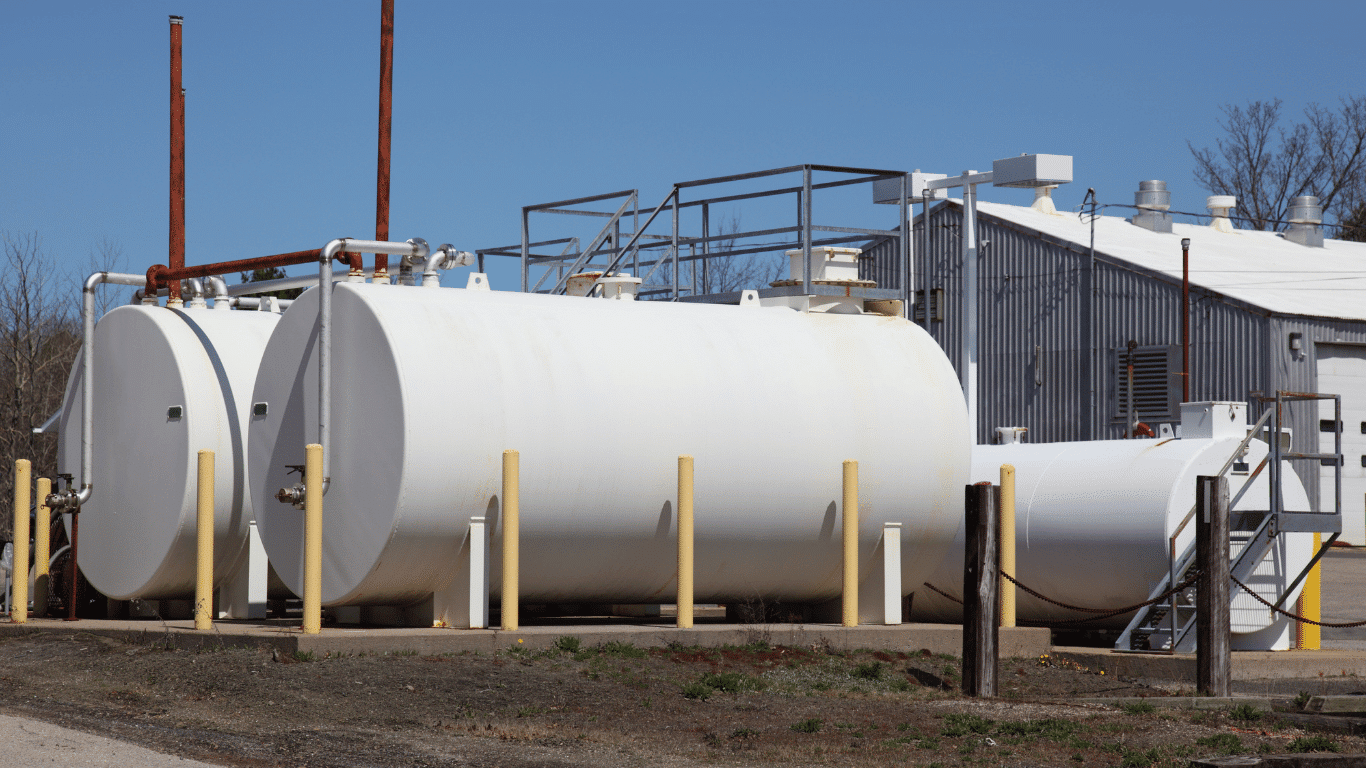
Industrial water tank cleaning plays an important role in keeping water systems reliable, efficient, and safe. Over time, water tanks collect sediment, rust, biological growth, and other contaminants that can affect water quality and interfere with daily operations. Many industrial facilities depend on clean water for manufacturing, processing, cooling, or other essential applications, so even a small amount of contamination inside a tank can lead to larger operational challenges if left unchecked.
Routine cleaning helps protect equipment, supports consistent water quality, and reduces the risk of unexpected downtime. At the same time, every industrial system has different operating conditions, which means maintenance should match the tank’s design, water source, and application. Understanding the fundamentals of industrial water tank cleaning helps you make informed decisions that keep your facilities running efficiently while protecting both your equipment and your water supply.
Why Industrial Water Tank Cleaning Matters
Industrial water tanks do much more than store water. They help support critical operations across manufacturing plants, processing facilities, commercial buildings, and utility systems. As water sits inside storage tanks, natural sediment, mineral deposits, rust, and debris gradually settle at the bottom. Over time, these materials reduce available storage capacity and create conditions that allow bacteria and other contaminants to thrive. Without regular inspection and maintenance, these deposits can affect water quality and increase the likelihood of contamination throughout connected systems.
Another issue operators often overlook is biofilm. This thin layer of microorganisms attaches to tank surfaces and protects bacteria from disinfectants, making them more difficult to remove. As biofilm continues to grow, it traps additional particles and contributes to sludge buildup. That combination can clog strainers, foul filters, restrict valves, and reduce overall system performance. Regular cleaning removes these accumulations before they become larger maintenance problems, helping keep clean tanks ready for reliable service.
Clean industrial tanks also help protect valuable equipment downstream. Pumps, heat exchangers, filters, and piping all perform better when they receive cleaner water with fewer suspended solids. Scheduled maintenance gives teams the opportunity to identify corrosion, leaks, or damaged coatings before they develop into costly repairs or unexpected shutdowns. In the long run, proactive maintenance improves operational reliability, extends equipment life, and helps industrial facilities maintain consistent water quality while avoiding unnecessary disruptions.
What Builds Up Inside Industrial Water Tanks?
Even treated water can leave behind deposits over time. As water moves through a system and remains in storage, small amounts of dirt, rust, minerals, and organic matter settle on tank interiors. Mineral-rich water can also form scale on the surface of the tank, especially in systems with elevated hardness. These deposits may seem harmless at first, but they gradually reduce water quality and make future removal more difficult if maintenance is delayed.
Biological growth creates another challenge. Biofilm develops when microorganisms attach to wet surfaces and form a protective layer that shields them from disinfectants. Once established, biofilm can encourage the growth of bacteria, algae, and other contaminants, particularly in stagnant areas with limited water movement. Some chemicals used for water treatment may lose effectiveness when heavy biofilm is present, making routine inspection and a proper cleaning process even more important. Selecting cleaning solutions that are compatible with the tank material also helps prevent unnecessary damage while restoring sanitary conditions.
Industrial water tanks may also collect residue from various types of processes, depending on the application. Suspended solids, treatment chemicals, corrosion byproducts, and other contaminants can accumulate inside each vessel, while fine particles and residual waste settle into low points over time. Left unchecked, these deposits can affect water quality, interfere with equipment performance, and increase maintenance costs. A thorough cleaning process removes accumulated buildup before it creates larger operational problems and helps prepare the tank for dependable service.
Common Industrial Water Tank Cleaning Methods
No single method works for every tank. The right approach depends on the size of the vessel, the type of buildup, the stored water, and the condition of the equipment. In some cases, manual cleaning remains the most practical option because technicians can closely inspect surfaces while removing deposits. However, larger or more complex industrial cleaning projects often require specialized equipment to improve efficiency and reach areas that are difficult to access. The goal is always the same, a thorough cleaning that restores safe operating conditions without damaging the tank.
For heavy deposits, contractors often rely on high pressure water jetting. Using high pressure streams of water, sometimes reaching tens of thousands of pounds per square inch, this technique removes scale, hardened sediment, and stubborn residue from tank walls and floors. Steam cleaning works well when grease, biological growth, or certain organic materials require heat to loosen deposits. Some situations also call for chemical cleaning, especially when mineral scale or process residue cannot be removed effectively with water alone. Cleaning chemicals should always match the tank material and the contaminants being treated to avoid unnecessary wear or corrosion. When evaluating different approaches, it also helps to understand how Clean-in-Place (CIP) systems support efficient equipment sanitation in certain applications. Learn more in our guide to Clean-in-Place.
Modern technology continues to improve tank cleaning results. Robotic tank cleaning systems allow crews to clean some tanks with limited personnel entry, improving both productivity and safety. During the cleaning process, vacuum services remove loosened sludge, water, and debris so they can be handled and disposed of properly. Combining high pressure water, automated tools, and experienced operators helps deliver more consistent vessel cleaning while protecting surrounding equipment and reducing downtime for industrial facilities.
Safety Considerations During Tank Cleaning
Safety should always guide every stage of an industrial cleaning project. Many industrial water tanks qualify as confined spaces, which means workers may face limited entry and exit points, reduced ventilation, and potentially dangerous atmospheres. Before anyone enters a tank, the team should complete a hazard assessment, isolate the system, and verify that the work follows applicable OSHA requirements and site-specific procedures. Proper planning reduces unnecessary risks and helps maintain regulatory compliance throughout the cleaning process.
When confined space entry is necessary, trained personnel should follow a documented entry permit program and remain in constant communication with attendants outside the tank. Continuous gas monitoring is essential because oxygen levels and airborne gases can change without warning. Workers should also wear appropriate personal protective equipment (PPE), which may include protective clothing, gloves, eye protection, fall protection, and respiratory protection when conditions require it. Every crew should be equipped with the right specialized equipment, including calibrated gas detectors, ventilation systems, retrieval devices, and communication tools to support safe entry and exit.
Some projects involve residual hazardous materials or unknown deposits that require additional precautions. In these situations, facilities should establish clear emergency response procedures before work begins, including rescue plans, medical support, and spill containment measures. Strong safety practices do more than satisfy industry standards. They help protect workers, minimize operational disruptions, and ensure the cleaning project is completed responsibly. Investing time in preparation, training, and the proper equipment allows facilities to complete tank maintenance with greater confidence while reducing avoidable incidents.
Building an Effective Tank Cleaning and Maintenance Program
A successful maintenance program starts with consistency, not guesswork. Instead of waiting until water quality declines or equipment performance changes, schedule inspections and regular tank cleaning based on the tank’s application, water source, operating conditions, and regulatory requirements. Many facilities benefit from inspections at least once or twice a year, although high-demand operations may require more frequent attention. Planned regular cleaning helps keep clean tanks in service longer while reducing the risk of unexpected shutdowns and costly corrective work.
Every cleaning event should include more than removing visible buildup. Document inspection findings, note any corrosion, coating damage, leaks, or structural concerns, and record the work completed for future reference. This information helps maintenance teams identify recurring issues and refine cleaning schedules over time. Partnering with experienced providers that offer professional cleaning services or broader maintenance services can also improve consistency, especially for facilities with multiple tanks or complex water systems. A well-documented preventive maintenance program supports regulatory compliance while improving long-term operational efficiency.
Monitoring should continue after the tank returns to service. Water quality testing verifies that the cleaning achieved the desired results and helps identify changes before they affect production or equipment performance. Routine monitoring for microbial activity, disinfectant levels, sediment, and other water quality indicators provides valuable insight for future maintenance decisions. If you want to strengthen your monitoring strategy, explore our guide to Water Quality Monitoring. Combining inspection records, routine testing, and proactive maintenance creates practical solutions that help clients maintain reliable water systems and avoid preventable problems.
Choosing the Right Industrial Tank Cleaning Partner
Selecting a provider for industrial tank cleaning involves more than comparing pricing. Experience with different industries, tank configurations, and water systems can make a significant difference in the quality of the work. Ask about the company’s experience with similar projects, the certifications their team holds, and the safety procedures they follow for confined space work and water storage applications. Reliable industrial tank cleaning services should also arrive equipped with the right equipment to handle a range of cleaning challenges while minimizing disruption to your operations. Many industrial companies also benefit from working with providers that can respond quickly when unexpected maintenance needs arise.
It is equally important to understand how a contractor manages waste and disposal after the cleaning is complete. Residual sludge, contaminated rinse water, and other materials should be handled according to applicable regulations and sound environmental considerations. Reputable tank cleaning services will explain their cleaning approach, documentation process, and regulatory responsibilities before work begins, giving you confidence that the project will be completed responsibly. Taking the time to evaluate a provider’s experience, capabilities, and commitment to safety helps you choose services that support long-term system reliability rather than simply completing a one-time cleaning task.
Supporting Long-Term Water System Performance
Long-term system reliability comes from staying ahead of problems instead of reacting to them. Routine inspection, scheduled cleaning, and a proactive water treatment program work together to maintain water quality, protect equipment, and reduce unplanned downtime. Every facility has different operating conditions, so maintenance plans should reflect the tank design, water source, and process requirements. Pairing tank maintenance with effective filtration can further reduce suspended solids and contaminants before they affect your system. Learn how an Industrial Water Filtration System can support cleaner, more reliable operations.
Strong water management is an ongoing process, not a one-time project. Regular evaluations help identify opportunities to improve performance, extend equipment life, and keep critical systems operating efficiently. If you’re planning an industrial water tank cleaning program or looking for practical ways to strengthen your overall water management strategy, ProChem can help. Our team works with facilities to develop tailored solutions that support dependable performance, improve water quality, and keep operations running with confidence for the long term.
Frequently Asked Questions (FAQ)
How often should industrial water tanks be cleaned?
Most facilities should schedule regular cleaning at least once or twice a year, but the ideal frequency depends on water quality, tank usage, and applicable industry standards. High-demand systems or tanks exposed to heavy sediment may require more frequent maintenance. Routine inspections help determine the right schedule before deposits begin affecting performance.
Can robotic tank cleaning replace manual cleaning?
Robotic tank cleaning can reduce the need for personnel to enter confined spaces and often improves safety and efficiency. However, it does not replace manual cleaning in every situation. Some tanks still require technicians to inspect coatings, repairs, or complex interior features. The best cleaning methods depend on the tank design, the type of buildup, and project requirements. Combining both approaches often delivers the best results while reducing labor intensive tasks.
How do professionals dispose of sludge and cleaning waste?
After cleaning, collected sludge, rinse water, and other waste should be removed using appropriate vacuum services and handled according to local, state, and federal regulations. Proper disposal protects the environment, supports compliance, and prevents contaminants from re-entering nearby water systems.
Can industrial water tank cleaning improve water quality?
Yes. Removing sediment, biofilm, and other contaminants helps improve water quality and supports better system efficiency. Routine cleaning also helps avoid contamination, protects downstream equipment, and keeps clean tanks operating as intended.
What should I look for in industrial tank cleaning services?
Choose industrial tank cleaning services with experience, trained personnel, proper certifications, and a strong safety program. Ask how they manage each tank cleaning project, including inspections, documentation, waste handling, and emergency response procedures. Providers that also offer ongoing maintenance services can help develop a long-term strategy instead of only addressing immediate cleaning needs.
