
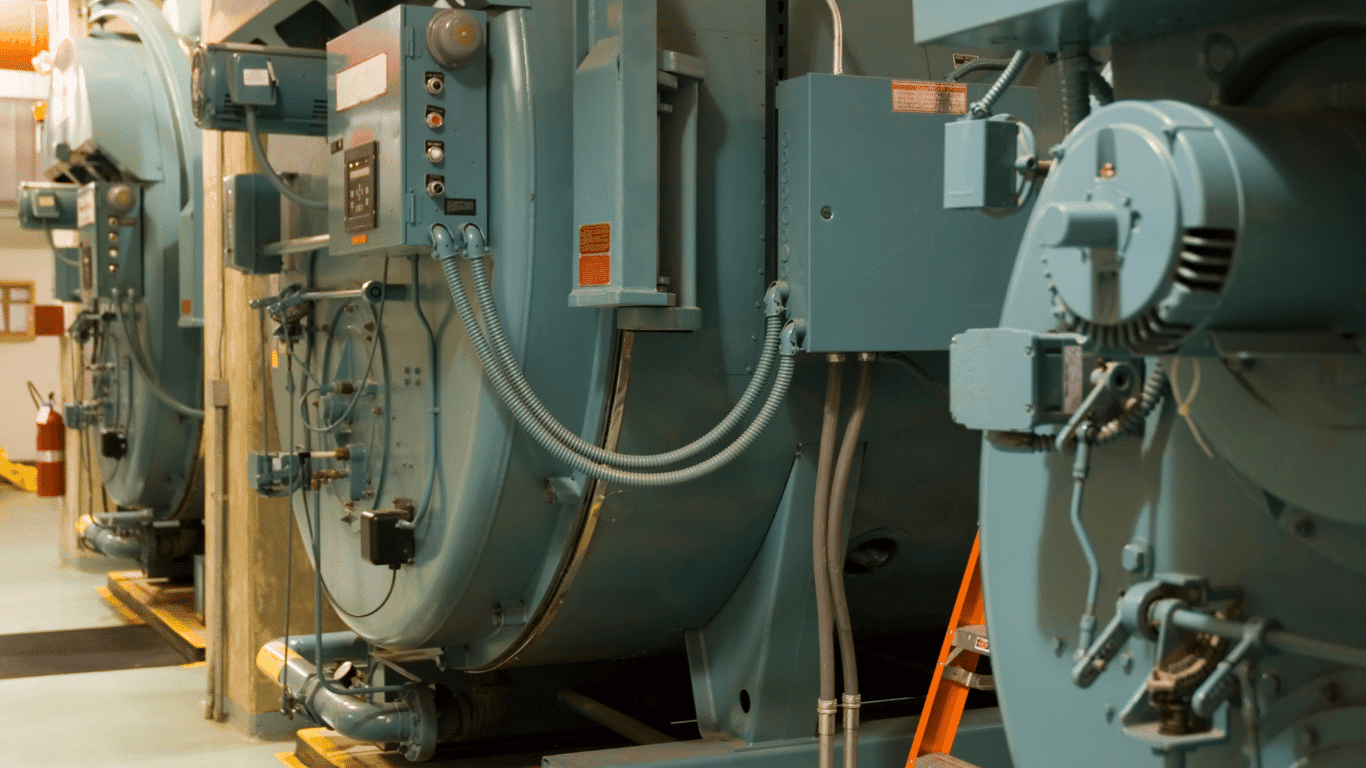
In industrial operations, boiler treatment chemicals play a critical role in keeping systems stable, efficient, and safe. In most facilities, steam boilers are the heart of heat and energy transfer, and they rely heavily on consistent water quality to perform properly. This is where boiler water treatment becomes essential. It is not just about adding chemicals, it is about maintaining balance in boiler systems so they can operate under demanding industrial conditions without unnecessary breakdowns or inefficiencies.
When boiler water is not properly managed, problems start building quietly inside the system. Scale can form on heat surfaces, corrosion can develop on internal components, and overall efficiency begins to drop. In industrial environments, even small disruptions in water quality can lead to higher operating costs and unexpected downtime. Over time, untreated conditions inside steam boilers can shorten equipment life and reduce reliability. That is why understanding how boiler treatment works at a foundational level is important before looking deeper into specific solutions and control strategies.
Why Boiler Water Chemistry Matters
Boiler water treatment directly affects how well a system performs on a day-to-day basis. When boiler water is not properly managed, impurities from feed water begin to accumulate inside the system. These impurities disrupt heat transfer and reduce overall stability in boiler systems. In industrial environments, this quickly becomes noticeable through fluctuating pressure, reduced output, and inconsistent steam quality. Good boiler water treatment ensures that water entering the system supports efficient operation instead of creating long-term damage.
One of the biggest issues comes from scale formation and corrosion. As minerals settle on heat transfer surfaces, they form hard deposits that act as insulation. This reduces boiler efficiency and forces the system to work harder to produce the same amount of steam. At the same time, dissolved oxygen in the water accelerates corrosion inside pipes and metal surfaces. Over time, this combination leads to equipment wear, reduced reliability, and even unplanned shutdowns. Without proper boiler water treatment, these issues build up quietly but consistently inside the system.
When water quality is not controlled, operating costs begin to rise. Poor chemistry increases energy costs because the system needs more fuel to achieve the same heat output. In some cases, operators also see a direct increase energy costs impact due to frequent cleaning, repairs, and reduced efficiency. This is why maintaining proper chemical balance in boiler water treatment is not optional in industrial settings. It ensures stable operation, protects equipment, and keeps long-term performance under control.
Common Problems in Boiler Systems
One of the first issues we usually see in boiler systems is scale forming on heat transfer areas. When boiler water contains untreated minerals, they settle and harden on metal surfaces and inside pipes. These deposits act like insulation, reducing heat transfer and forcing the system to consume more energy just to maintain output. Over time, this buildup becomes harder to remove and directly affects overall performance. This is where consistent boiler water treatment chemicals make a real difference in keeping surfaces clean and efficient.
Another major concern is corrosion, which often starts with oxygen and carbon dioxide present in the system. These gases dissolve into boiler water and react with internal components, slowly weakening metal surfaces. Without proper oxygen scavengers, corrosion spreads through pipes and heat exchange areas, leading to leaks and equipment failure. In industrial operations, we treat corrosion control as a priority because even small signs of damage can escalate quickly inside pressurized systems.
We also often deal with sludge and dissolved solids settling at the bottom of the boiler. These materials circulate poorly and can restrict flow inside pipes, reducing efficiency and increasing maintenance needs. If left unmanaged, they interfere with heat transfer and contribute to uneven heating. Effective corrosion control and proper boiler water treatment chemicals help manage these impurities before they build up. In practice, keeping the system clean is not just about maintenance, it is about protecting long-term reliability.
Types of Boiler Treatment Chemicals
Different solutions work together to protect the system from damage and inefficiency in any boiler water chemical treatment program. One of the most important groups is oxygen scavengers, which remove dissolved oxygen from boiler water before it can trigger corrosion. In industrial boiler systems, this step is critical because oxygen-related damage often starts quietly but spreads quickly across metal surfaces and piping.
Another key category includes corrosion inhibitor products. These chemicals form a protective layer inside the system, helping prevent corrosion even when small traces of impurities remain. Alongside this, phosphate and alkalinity control programs help stabilize boiler water chemistry. They reduce hardness-related reactions and help prevent scale formation, keeping heat transfer surfaces clean and efficient. In some cases, compounds like sodium sulphate are used in controlled amounts depending on system requirements and operating conditions.
Water softeners also play a supporting role in chemical treatment strategies. They reduce hardness in incoming feed water, limiting the minerals that cause scale and deposits. When combined properly, these boiler treatment chemicals create a balanced system that protects both performance and equipment life. This stage of boiler water chemical treatment is not about using one solution, but about combining multiple treatments that work together to maintain stability and efficiency inside industrial boilers.
How Boiler Treatment Works in Industrial Systems
The process starts with feed water entering the boiler systems after initial conditioning in most industrial setups. This is where boiler water treatment begins to take effect before the water even reaches high temperatures. The goal is simple, prepare the water so it can safely support heat transfer and steam generation without introducing risks like corrosion or scale. When boiler water is not conditioned at this stage, every downstream component becomes more vulnerable during operation.
Once inside the system, treatment chemicals are introduced through controlled dosage systems. This chemical dosing process ensures the right concentration is maintained based on flow rate, temperature, and water quality conditions. Operators rely on tight control to make sure the chemistry remains stable as water circulates through the system. When managed correctly, the water stays properly treated, which helps maintain consistent performance and reduces stress on internal components.
The final stage involves protecting both the steam and return pathways, especially the condensate system. As steam condenses back into water, it can pick up contaminants and return them into circulation. This is why ongoing boiler water treatment is necessary even after steam is generated. With balanced treatment chemicals and proper system monitoring, the entire loop stays protected from corrosion and buildup. In practice, consistent control across the full cycle is what keeps industrial boiler systems stable, efficient, and reliable during long-term operation.
Monitoring, Testing, and Dosage Control
Consistent testing is what keeps everything on track in any reliable water treatment program. Operators need to regularly check boiler water conditions to make sure the system is responding correctly to boiler water treatment chemicals. Without routine checks, small imbalances can go unnoticed and slowly reduce overall effectiveness. In industrial environments, this is not just routine work, it is a core part of system maintenance that protects performance and equipment life.
Two of the most important indicators we look at are conductivity and alkalinity. Conductivity shows how many dissolved ions are present in the system, while alkalinity helps determine how stable the water chemistry is. When these values drift outside their ideal range, it usually signals that the feed water quality or internal chemical balance needs adjustment. Monitoring both gives operators a clearer picture of what is happening inside the system at any given time.
Once testing is complete, the next step is adjusting dosage levels to restore balance. Proper control of chemical dosing ensures that the right amount of boiler water treatment chemicals is maintained at all times. Too little treatment reduces protection, while too much can lead to unnecessary buildup or inefficiency. When dosing is aligned with real system conditions, boiler water remains stable, and overall water treatment performance stays consistent across continuous operation.
System Integration and Chemical Programs
Boiler water treatment works best when it is part of a fully integrated water treatment approach. Instead of treating issues in isolation, industrial operators combine boiler treatment strategies with broader system design to maintain stable performance across all equipment. This approach improves control over water chemistry and helps reduce long-term strain on equipment, especially in high-demand industrial environments where steam and heat loads constantly fluctuate.
Chemical programs also play a major role in keeping the entire system consistent. A well-structured program ensures that treatment chemicals are applied correctly, monitored regularly, and adjusted based on real operating conditions. This is where long-term corrosion control becomes more effective, because chemistry is not just reactive, it is continuously managed. To better understand how these structured solutions work, you can explore our approach to customized application strategies through our Chemical Programs – Custom Solutions.
At the same time, integrated system design connects chemical performance with physical treatment processes. This includes filtration, conditioning, and monitoring technologies that support stable boiler water treatment from start to finish. For a deeper look at how treatment technologies support system-wide performance, you can also refer to our guide on Water Treatment Chemicals Overview and explore how they fit within larger industrial setups like our Industrial Water Filtration System. When these elements work together, water treatment becomes more predictable, efficient, and easier to manage at scale.
Maintaining Reliable Boiler Performance
Boiler treatment chemicals remain essential in keeping boiler systems stable, efficient, and safe. When boiler water treatment is managed correctly, it directly improves efficiency, reduces unplanned maintenance, and protects against long-term issues like corrosion and scale buildup. In day-to-day operation, these problems may seem gradual, but over time they significantly impact performance and increase risks across the entire water treatment process.
The goal is always the same, maintain balance so the system runs cleanly and consistently without unnecessary strain. When facilities want to improve reliability and tighten control over their boiler performance, it helps to connect with specialists who can review conditions, recommend the right treatment approach, and support long-term system stability. Reach out to our team to discuss your boiler water treatment strategy and keep your systems operating at peak efficiency and safety.
